• SUDA MING’S CHANNEL
  • TALKING FILMS
  • Good Night | Good Morning
  • My Talk Show
  • PROFILE

MADRAS INK.

Menu

  • Archives
  • Columns
  • Diary
  • Interviews
  • My Films
  • Reviews
  • Good Night | Good Morning

  • Word thru the bird

    Tweets by SudhishKamath
  • Connect with GNGM

    Connect with GNGM
  • About GNGM

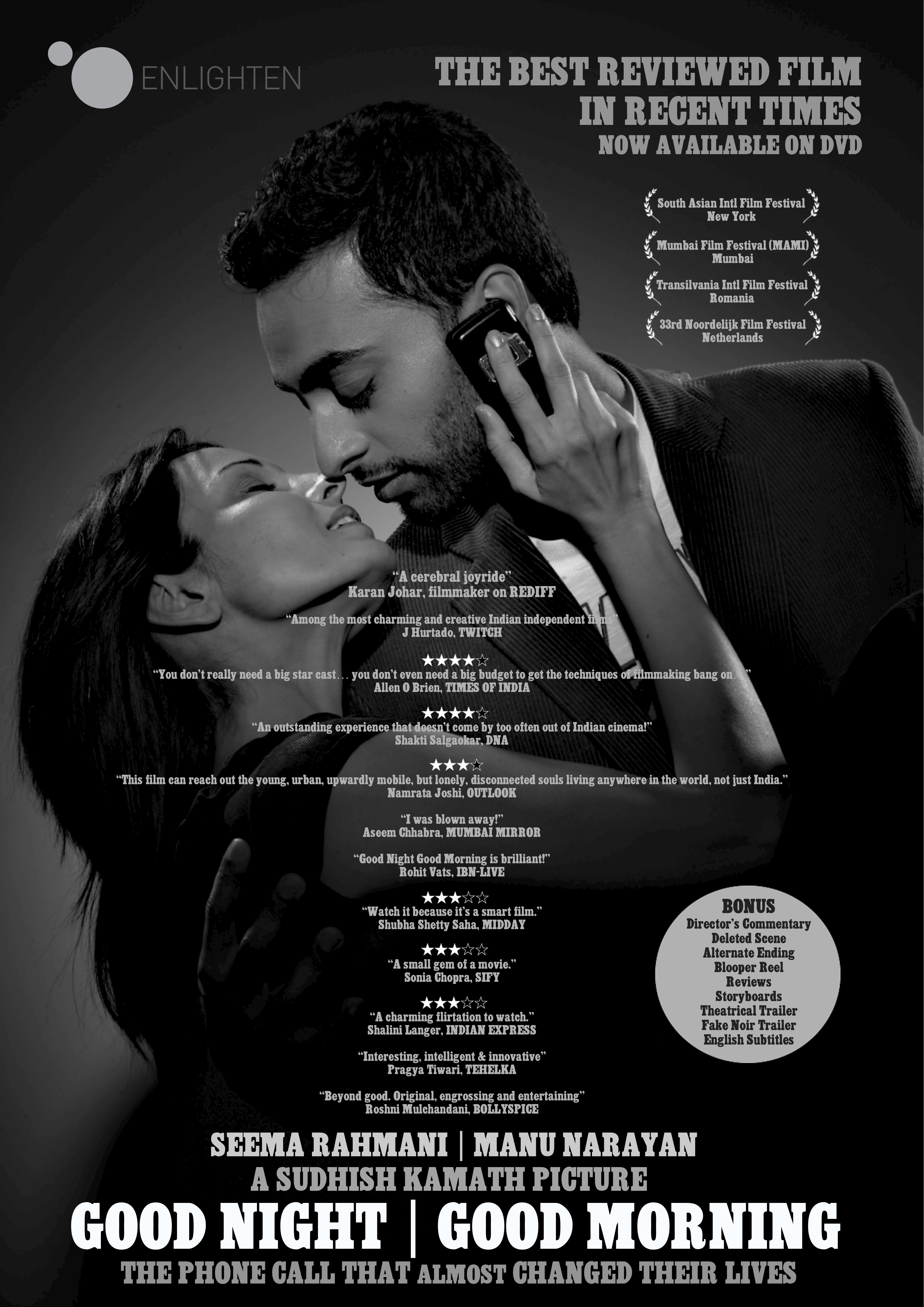
    Reviews

    “A cerebral joyride”
    Karan Johar, filmmaker on REDIFF

    “Among the most charming and creative Indian independent films”
    J Hurtado, TWITCH

    ★★★★✩
    “You don’t really need a big star cast… you don’t even need a big budget to get the techniques of filmmaking bang on…”
    Allen O Brien, TIMES OF INDIA

    ★★★★✩
    “An outstanding experience that doesn’t come by too often out of Indian cinema!”
    Shakti Salgaokar, DNA

    ★★★
    “This film can reach out the young, urban, upwardly mobile, but lonely, disconnected souls living anywhere in the world, not just India.”
    Namrata Joshi, OUTLOOK

    “I was blown away!”
    Aseem Chhabra, MUMBAI MIRROR

    “Good Night Good Morning is brilliant!”
    Rohit Vats, IBN-LIVE

    ★★★✩✩
    “Watch it because it’s a smart film.”
    Shubha Shetty Saha, MIDDAY

    ★★★✩✩
    “A small gem of a movie.”
    Sonia Chopra, SIFY

    ★★★✩✩
    “A charming flirtation to watch.”
    Shalini Langer, INDIAN EXPRESS

    “Interesting, intelligent & innovative”
    Pragya Tiwari, TEHELKA

    “Beyond good. Original, engrossing and entertaining”
    Roshni Mulchandani, BOLLYSPICE

    * * * * *
    Synopsis

    ‘Good Night Good Morning’ is a black and white, split-screen, conversation film about two strangers sharing an all-night phone call on New Year's night.

    Writer-Director Sudhish Kamath attempts to discover good old-fashioned romance in a technology-driven mobile world as the boy Turiya, driving from New York to Philadelphia with buddies, calls the enigmatic girl staying alone in her hotel room, after a brief encounter at the bar earlier in the night.

    The boy has his baggage of an eight-year-old failed relationship and the girl has her own demons to fight. Scarred by unpleasant memories, she prefers to travel on New Year's Eve.

    Anonymity could be comforting and such a situation could lead to an almost romance as two strangers go through the eight stages of a relationship – The Icebreaker, The Honeymoon, The Reality Check, The Break-up, The Patch-up, The Confiding, The Great Friendship, The Killing Confusion - all over one phone conversation.

    As they get closer to each other over the phone, they find themselves miles apart geographically when the film ends and it is time for her to board her flight. Will they just let it be a night they would cherish for the rest of their lives or do they want more?

    Good Night | Good Morning, starring Manu Narayan (Bombay Dreams, The Love Guru, Quarter Life Crisis) and Seema Rahmani (Loins of Punjab, Sins and Missed Call) also features New York based theatre actor Vasanth Santosham (Bhopal: A Prayer for Rain), screenwriter and film critic Raja Sen and adman Abhishek D Shah.

    Shot in black and white as a tribute to the era of talkies of the fifties, the film set to a jazzy score by musicians from UK (Jazz composer Ray Guntrip and singer Tina May collaborated for the song ‘Out of the Blue), the US (Manu Narayan and his creative partner Radovan scored two songs for the film – All That’s Beautiful Must Die and Fire while Gregory Generet provided his versions of two popular jazz standards – Once You’ve Been In Love and Moon Dance) and India (Sudeep and Jerry came up with a new live version of Strangers in the Night) was met with rave reviews from leading film critics.

    The film was released under the PVR Director’s Rare banner on January 20, 2012.

    Festivals & Screenings

    Mumbai Film Festival (MAMI), Mumbai 2010 World Premiere
    South Asian Intl Film Festival, New York, 2010 Intl Premiere
    Goa Film Alliance-IFFI, Goa, 2010 Spl Screening
    Chennai Intl Film Festival, Chennai, 2010 Official Selection
    Habitat Film Festival, New Delhi, 2011 Official Selection
    Transilvania Intl Film Festival, Cluj, 2011 Official Selection, 3.97/5 Audience Barometer
    International Film Festival, Delhi, 2011 Official Selection
    Noordelijk Film Festival, Netherlands, 2011 Official Selection, 7.11/10 Audience Barometer
    Mumbai Film Mart, Mumbai 2011, Market Screening
    Film Bazaar, IFFI-Goa, 2011, Market Screening
    Saarang Film Festival, IIT-Madras, 2012, Official Selection, 7.7/10 Audience Barometer

    Theatrical Release, January 20, 2012 through PVR

    Mumbai
    Delhi
    Gurgaon
    Ahmedabad
    Bangalore
    Chennai
    Hyderabad (January 27)

    * * * * *

    More information: IMDB | Facebook | Youtube | Wikipedia | Website

  • Browse: Categories

  • December 2025
    M T W T F S S
    1234567
    891011121314
    15161718192021
    22232425262728
    293031  
    « Dec    
  • Recent Posts

    • Simmba: A departure from the formula
    • Zero: The hero who wasn’t
    • Protected: AndhaDhun: What did that end mean?
    • Love and other cliches
    • October: Where is Dan?

Browsing Category Archives

Website under construction.

Oscar review: Selling denial

February 27, 2012 · by sudhishkamath

Hollywood is looking back and outside. For inspiration? Or a market?

“Nostalgia is denial – denial of the painful present… the name for this denial is golden age thinking – the erroneous notion that a different time period is better than the one ones living in – its a flaw in the romantic imagination of those people who find it difficult to cope with the present.”

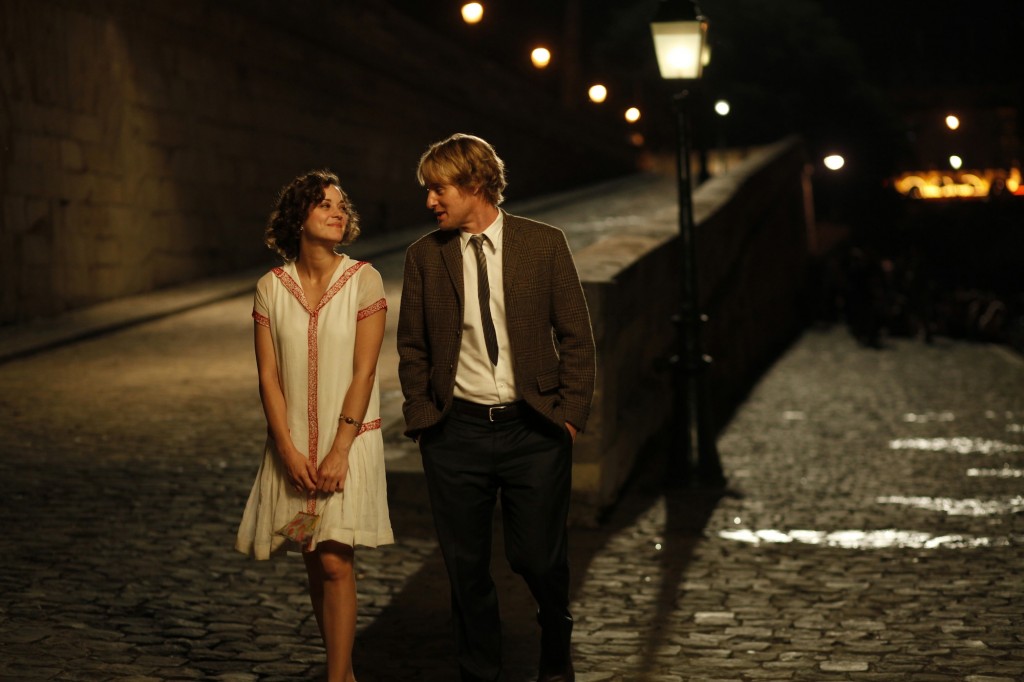
Woody Allen nails it on the head with that line in Midnight in Paris, one of the nine films nominated for this year’s Oscars, that look back at a different period. In a way, his is THE most relevant film of our times, and that quote a single line review of what cinema is going through, at least artistically.
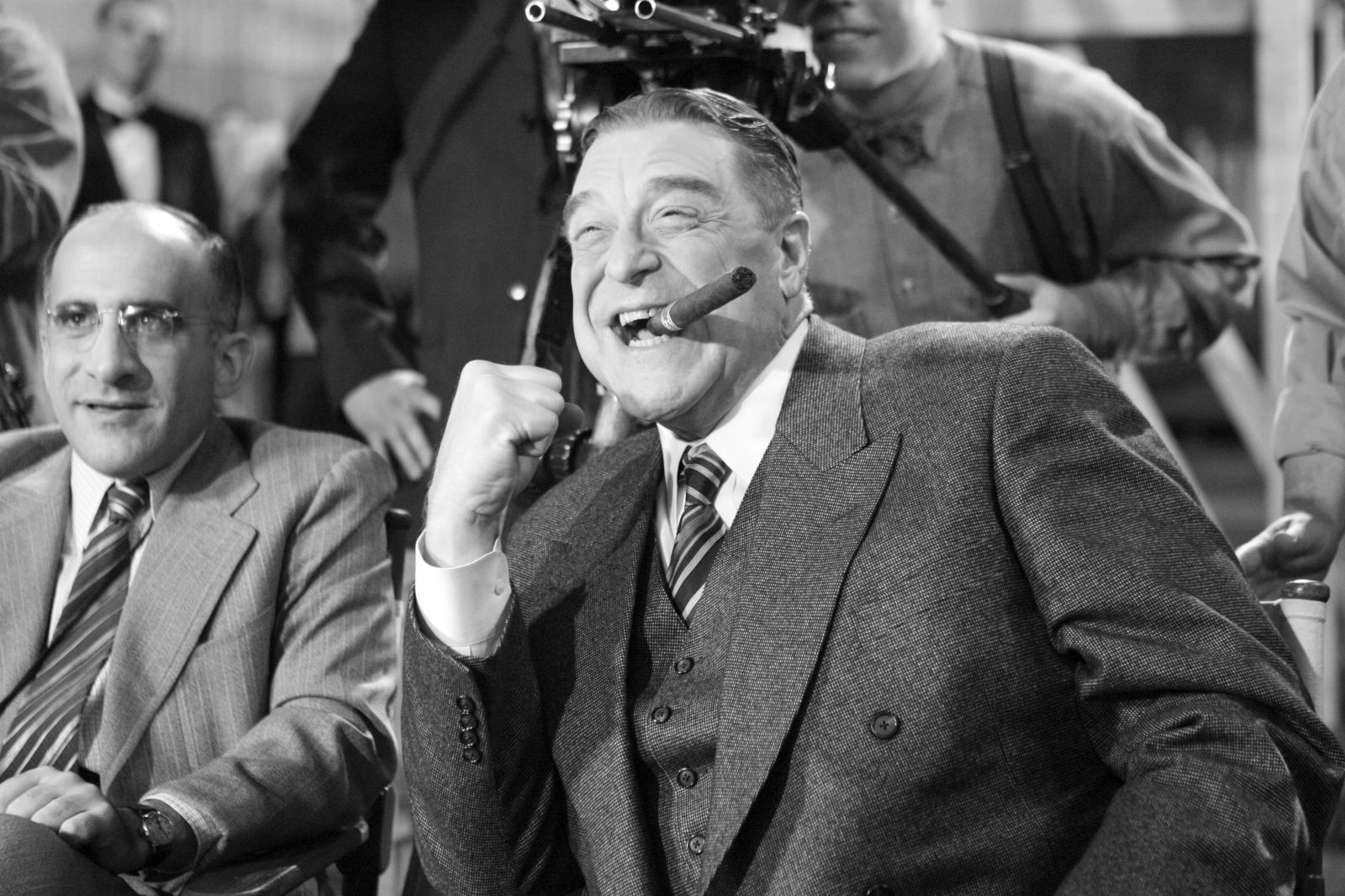
Check it out:

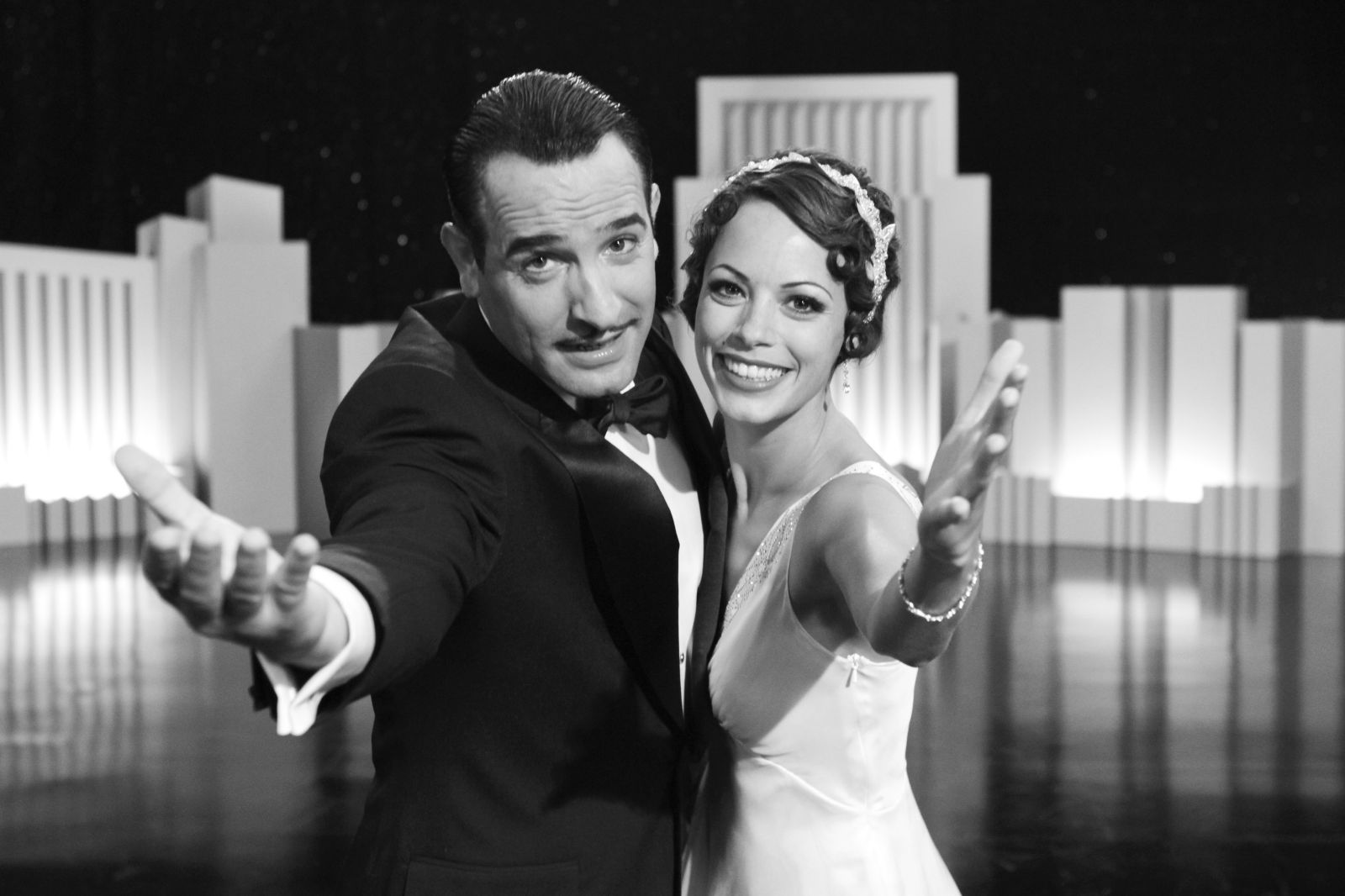
The Artist: Looks back fondly at the silent era when cinema was on cusp of change

The Descendants: Looks back at the land your ancestors owned when family was more important than anything else

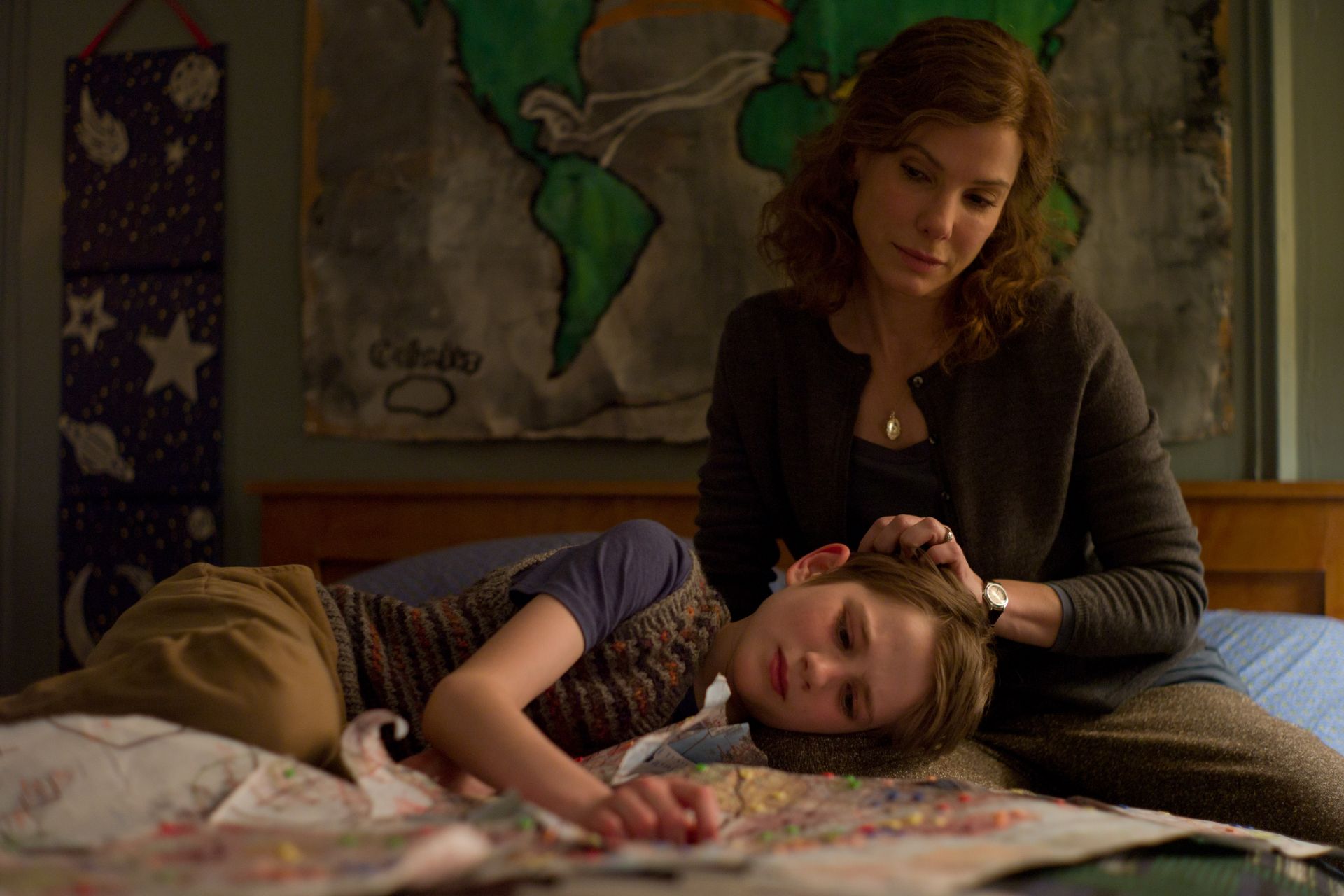
Extremely Loud & Incredibly Close: Looks back at a time before 9/11, trying to hold on to the memory

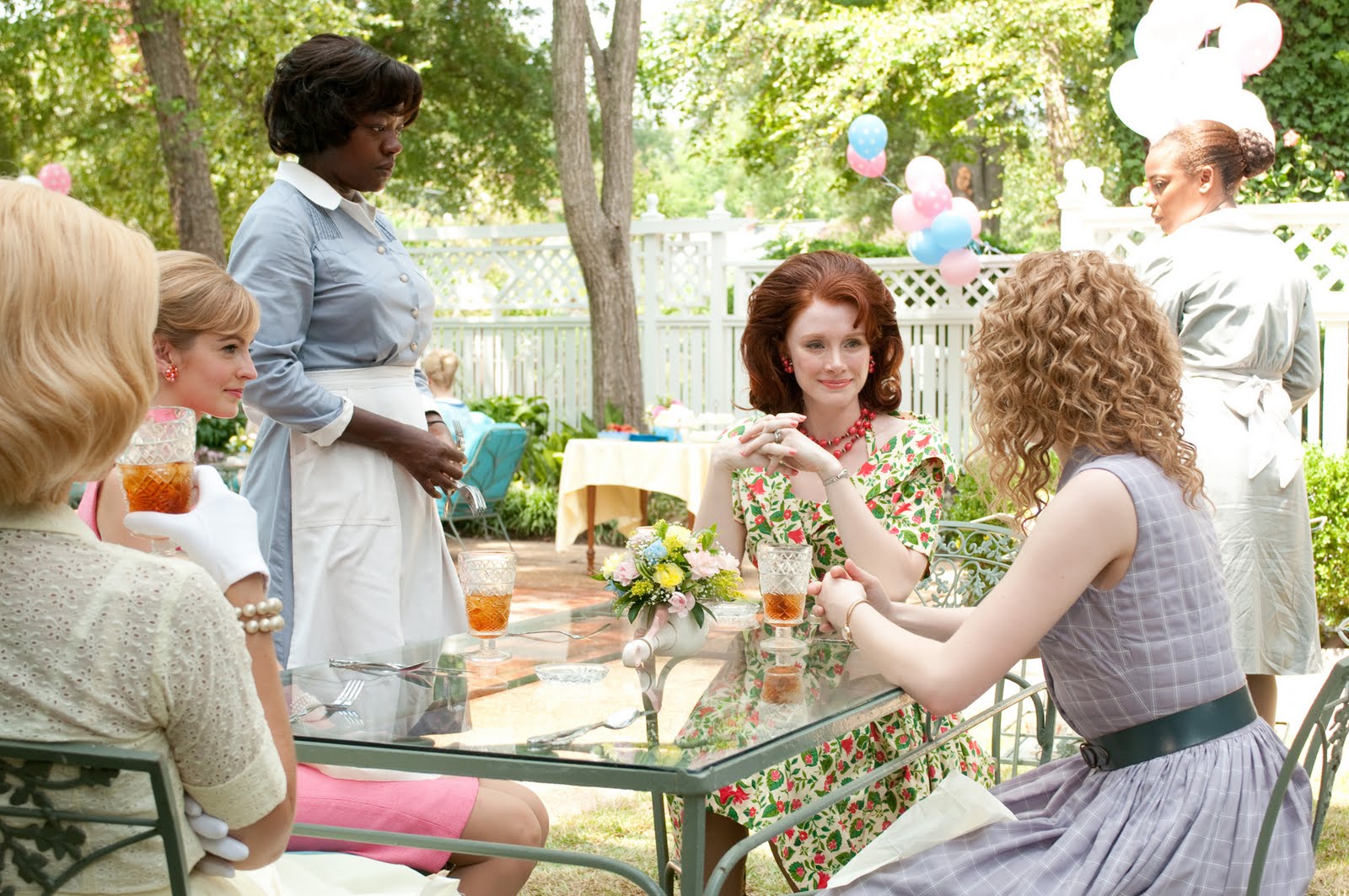
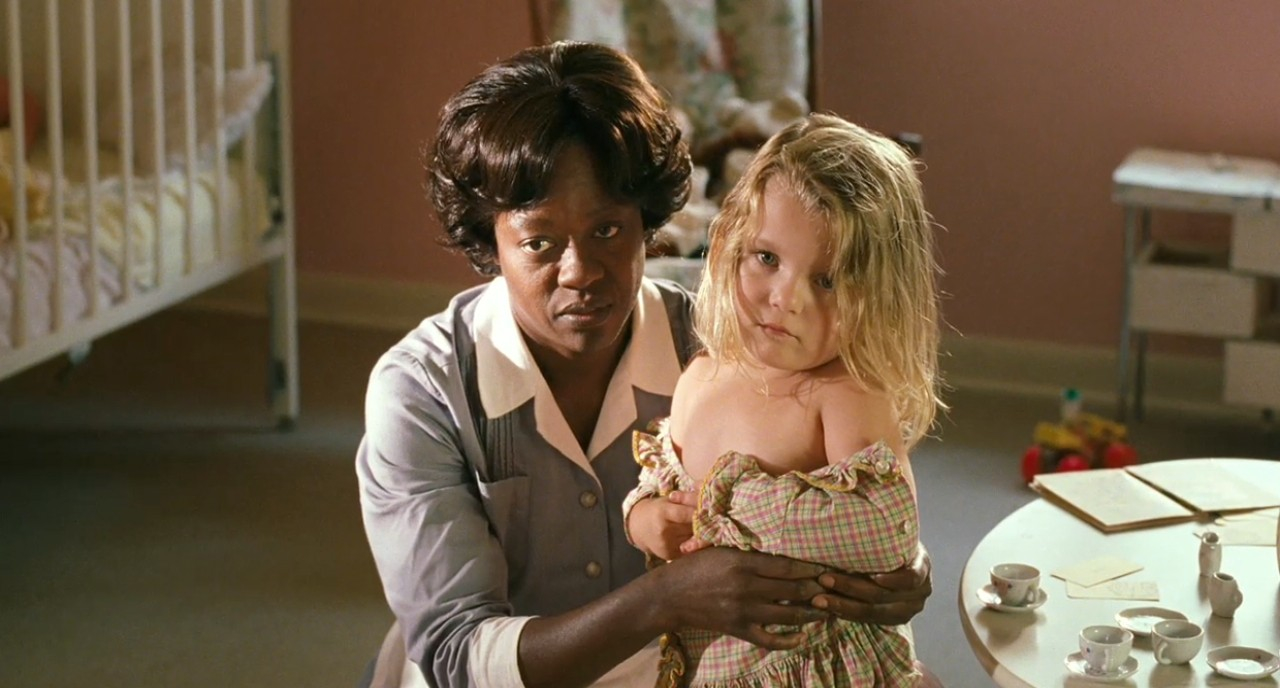
The Help: Looks back at the period when the coloured finally spoke out against the racist system

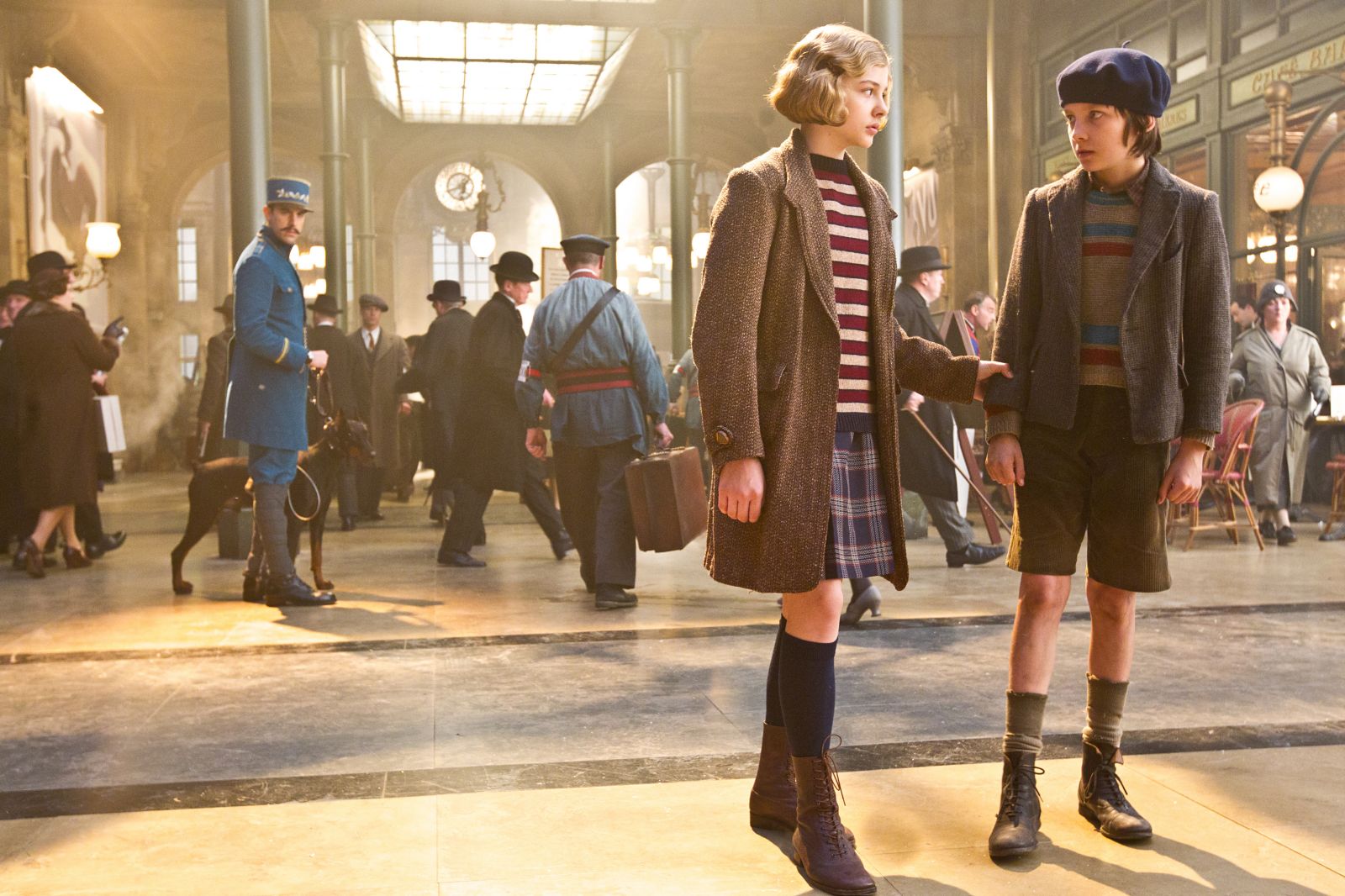
Hugo: Looks back at a time when the magic of cinema triumphed in the face of adversity and war and survived

Midnight in Paris: Looks back as denial of the painful present as already established by the quote from the film

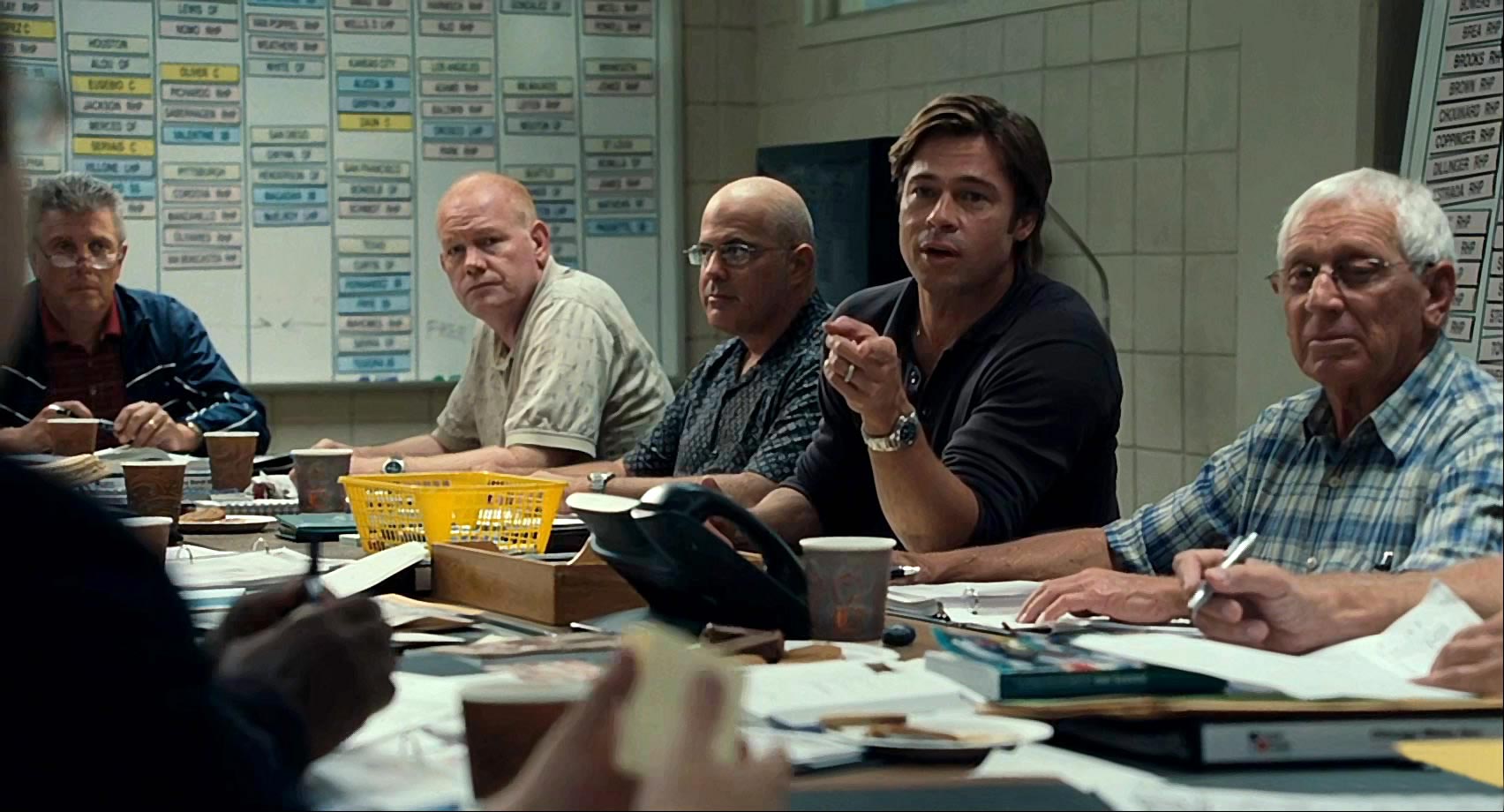
Moneyball: Looks back at the recent past when sport changed focus from experience to science and economics

Tree of Life: Looks back to the creation of the universe to understand the purpose of life

War Horse: Looks back at a period when brave soldiers were sent away from home to an uncertain future and actually came back

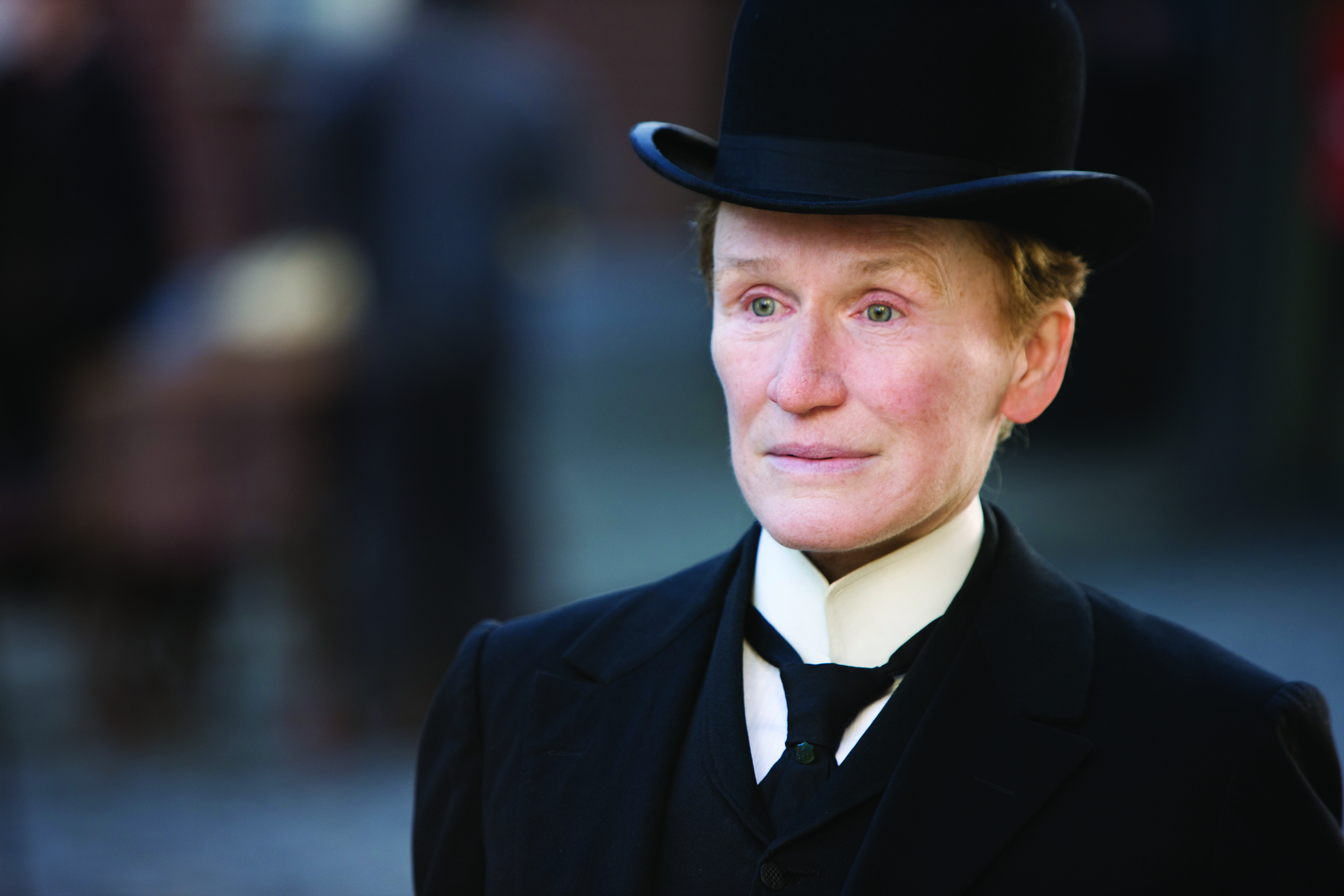
Not just these films, even some of the other films nominated this year look back at a different period (My Week With Marilyn, The Iron Lady, Albert Nobbs) as if conflicts of today are too painful to address. The only other explanation is that the Academy members are getting really old and senile and like most old people start are clinging on to the past: “Those were the days…”

Maybe the studios have figured out that surest way to win an Oscar is to look back at “those days” that the old folk at the Academy like to talk about.

Looks like Hollywood is in no mood to discuss what’s happening in America today. Maybe it’s too painful and disturbing to talk about. There are only so many films you can make about the disintegrating family unit (sample: We need to talk about Kevin) and most of them end up as tense, dark and disturbing family dramas made for Sundance. You need to keep these things light these days. Ask Alexander Payne (The Descendants).

After all, art is always connected to commerce in Hollywood.

So what is Hollywood up to these days apart from tapping into/rebooting its comic book franchises?

It’s trying to seduce the rest of the world, going global for stories and expanding its market. Again, check this out:

The Artist: Considering how resistant the art-loving French have been towards big bad Hollywood, this was the perfect opportunity to build bridges, one that Hollywood wasn’t going to miss. It didn’t win any of the big technical awards but the major awards won suggest it won their hearts.

Hugo: Set in Paris, this one was made to encourage more filmmakers outside Hollywood to use the 3D format. Wim Wenders, Herzog and Scorsese have been the biggest ambassadors for 3D to the world. Not surprising that 3D cinematography was rewarded.

The Help, War Horse & Real Steel: 11 nominations in all for films produced by Dreamworks and Reliance Entertainment, one of the biggest players from India picked for Best Picture (two of them without a Directing nod – clearly a bone thrown to the studio)

Midnight in Paris: The Academy prefers Woody Allen’s films set in Europe (Vicky, Christina, Barcelona) over his Manhattan films of late. Rewarded with a Best Original Screenplay and a well-deserved one at that, considering it is the most relevant film that reflects on art and who we have become.

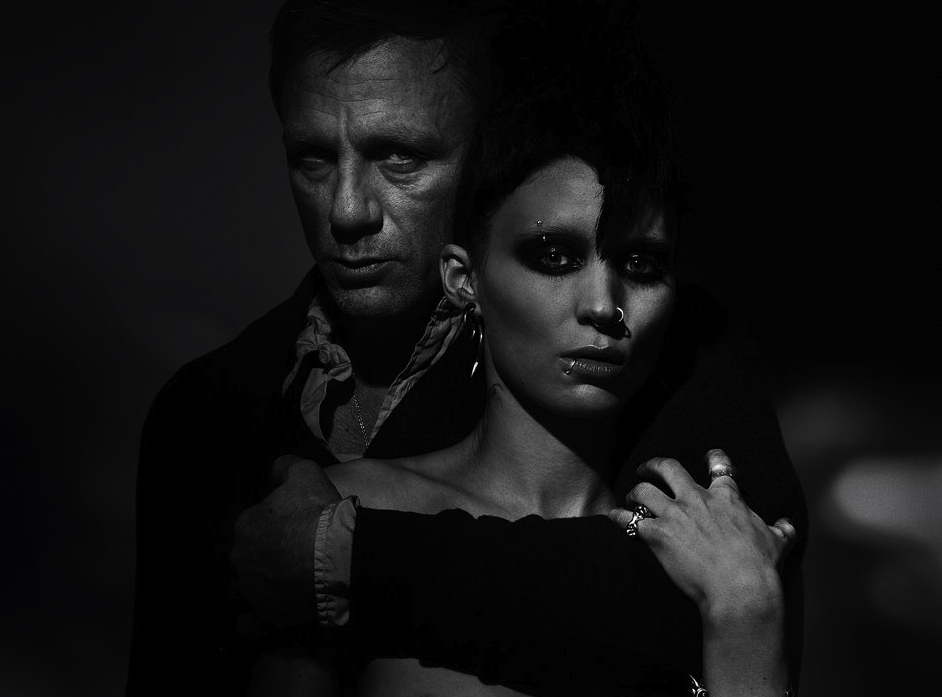
The Girl With The Dragon Tattoo:  Fincher stays faithful to the Swedish backdrop to capitalize on the popularity of the books around the world and kickstart a big budget Hollywood franchise with James Bond himself. And rewarded with a big Technical award for Best Editing.

Harry Potter and the Deathly Hallows – Part 2: Oh, well. Goodbye finally.

My Week With Marilyn & The Iron Lady: Hollywood productions in the UK, rewarded with nominations and at least a win for an American white actor (while a coloured actor beat her white co-nominee with a Best Supporting Actor for a film about race).

Tinker Tailor Soldier Spy: A popular UK-based franchise/production that got a token nod for an British actor.

Albert Nobbs: A Hollywood production in Ireland.

A Separation: An nod outside the Best Foreign Language film, nominated for Best Original Screenplay and an award – the perfect opportunity to make a political statement to the Islamic world. That America loves them too. Ask Pakistan, they won something too tonight.

The fact that the Academy rewarded Crouching Tiger, Hidden Dragon some years ago, Slumdog Millionaire a few years ago, The King’s Speech last year and now The Artist this year only further proves that Hollywood is large-hearted and looking to reward other cinemas in the world too.

Especially, if it translates to finding a market there and expanding its business.

They have succeeded India’s biggest entertainment company to invest in Hollywood already and rewarded it by letting the family walk the Red Carpet.

And that’s how the game is played.

If the final tally proves anything, it’s that Hollywood is saying: We have the best technology, you have something we find interesting once in a while. Let’s share the spoils together. We take five for Hugo set in Paris, you take five for The Artist set in Hollywood. You celebrate our cinema, we celebrate yours.

As the host Billy Crystal said right at the start of the Oscars, it’s all about channeling cinema for escape and making people believe that all is well with the world.

“So tonight, enjoy yourselves because nothing can take the sting out of the world’s economic problems like watching millionaires present each other with golden statues.”

Forget everything, lose yourself. In J.Lo’s slip so low or Jolie’s slit high thigh.

Oscars 2012: And the winner is… old-world charm

February 26, 2012 · by sudhishkamath

The Artist:

Everybody loves The Artist directed by Michel Hazanavicius. It’s a silent film (at least till the very end) in black and white but that has only made people love it all the more. It’s charming, it celebrates the magic of movies and has won rave reviews around the world. It will be a huge surprise if it does not win Best Picture, a pleasant one for me and the rest of us who are cheering for Hugo Cabret and Martin Scorsese. As feel good and heartwarming The Artist may be, it is a single trick film that lets its silent movie appeal override everything else compared to a more layered film like Hugo. But given the Academy’s record of preferring critically acclaimed underdog productions shot outside the US to big studio backed spectacle films over the past three years (Slumdog Millionaire, The Hurt Locker, The King’s Speech), The Artist might beat Hugo.

The Descendants:

This is a film that was probably picked because every Best Picture list needs at least one American dysfunctional family drama and the fact that the much-adored George Clooney chips in with an impressive performance helped it make the list. Family over materialistic pursuits is as politically correct as it gets in this bittersweet film about a tragedy that brings an dysfunctional family together. Something that the senior members of the Academy would approve. However, considering that even Alexander Payne fans aren’t entirely impressed with this, this would make for a very unlikely, controversial choice.

Extremely Loud & Incredibly Close:

How did this get nominated? And why? Because of Stephen Daldry? Because it remembers 9/11 and spins a pretentious yarn about a little boy searching for a lock for the key he finds after his father’s death before he finally lets go? Or because the little boy running around New York is called Oskar? This one belongs right at the bottom of the pile of nominations. A shocking inclusion considering more deserving films like Drive, Ides of March, 50/50 or Tintin didn’t make it.

The Help:

The Academy loves films that dwell on race issues and a feel-good sentimental tear-jerker on the subject is an instant hit for a nomination for Best Picture. With fantastic performances by the women (three of them have acting nominations), this drama directed by Tate Taylor has not been nominated for Directing, Editing or Writing. A well-deserved nomination is as far as this will go.

Hugo:

The best film of 2012 may not win Best Picture because not many members of the Academy have taken a liking to 3D yet. But this is filmmaking in all its glory, detail, depth and layers. A mind-blowing celebration of the joy movies bring to our lives as Martin Scorsese shows the kids how 3D really ought to be done. If The Artist was about the simplicity of films, Hugo is about the grandeur and magic, a fairytale smartly told with metaphors and allegories with spectacular visual flair… that we suspect that this is a project entirely funded by the pro-3D lobby to change public perception of 3D after a spate of trashy 3D films hit the screens and assaulted our eyes.

Midnight in Paris:

One of Woody Allen’s finest films in recent times is so well-written that literature students will find plenty to talk about all the referencing. However, this is not something we haven’t seen him do before. If The Purple Rose of Cairo transported his characters to the world of films, Midnight in Paris transports them to the golden era of literature. The film packages nostalgia so vividly that you will instantly fall in love with this Paris. But considering that the film hasn’t been nominated for Best Cinematography or Editing, there is little chance of the film winning Best Picture.

Moneyball:

Rarely do we get such classy, understated films that simplifies pages of text and numbers into simple bits of smart dialogue. Based on a true story about the increasingly important role of economics in sport, Moneyball is more about the heart to win than the money. Backed with superlative writing by Steven Zaillian and Aaron Sorkin (it has an Adapted screenplay nomination), this is a worthy contender for the Best Picture but with no nominations for Directing or Cinematography, the chances of it winning Best Picture are very slim.

The Tree of Life:

It is a miracle that Terrence Malick’s passionate artistic meditation on life and spiritual companion piece to 2001: A Space Odyssey even made it to the shortlist because this is an extremely indulgent film that never compromises its grand vision to tell the story of life and nature of man. But with no Editing or Screenplay nomination to back up its Picture, Direction and Cinematography nods, this one despite being one of the best films of 2011 may not win the big prize.

War Horse:

War Horse is a sappy horse film, a genre Hollywood seems to have perfected to take on the star system, that would not have even gained as much attention had it not been for its director Steven Spielberg and the way he has shot the war scenes. Blatantly Bollywood in its sensibility, this is a sentimental love story between a boy and a horse torn apart from each other because of the war. No surprises if it returns home empty-handed on Oscar night.

Oscars 2012: A look at the Best Actress category

February 26, 2012 · by sudhishkamath

Close contest between the ladies

 Glenn Close, Albert Nobbs

Close is so good that just as a tribute to her dedication, her nuanced portrayal of a woman living as a man for 30 years ought to have been nominated under Best Actor instead of Best Actress. This is a role that Close has prepared for since she played the character on stage 30 years ago. She has spent the last two decades trying to get it made as a film. And all that passion shows in the little detail that Close brings to the character. Any other year, this could have translated into a win but with the intense competition at hand and political relevance, she may have to contend with just the nomination. A Close race indeed.

Viola Davis, The Help

Playing Aibleen Clark, the domestic help who decides to finally speak about her experience raising white babies, Viola Davis has emerged as a favourite for the award, especially after her recent win at the Screen Actor’s Guild. She surely would have moved Academy members to tears with this performance provided they sat through the two and a half hour long drama, the only downside of the film. Just two others stand in the way – Meryl Streep as Margaret Thatcher and Michelle Williams as Marilyn Monroe. But given the grand statement of resilience the film makes on behalf of African-American women, she seems set for a win.

Rooney Mara, The Girl with the Dragon Tattoo

As brilliant as she is in this complex role of Lisbeth Salander that would’ve required intense mental and physical preparation, hardcore nudity and action, Rooney Mara despite her every bit Oscar-win deserving performance may not stand a chance given that the franchise has just begun and the young actress has two more installments of the film to stake her claim for the prize. This is no easy role to pull off but the way Rooney turns into a compelling, unconventional heroine, she ought to be nominated again when the second and third parts of the film do come out.

Meryl Streep, The Iron Lady

She may have been nominated for the 17th time but poor Meryl has only won twice, the last win coming nearly two decades ago. And this is a perfect claim for the prize, only a little too perfect. As Margaret Thatcher, Streep is at her best, sparkling in the scenes where she plays the older Thatcher struggling with dementia, so subdued and vulnerable, as a striking contrast to the confident Iron Lady she plays in the flashbacks after The King’s Speech-style training lessons in oration. The only issue is that every bit of this film seems to be designed to win her an Oscar and sometimes, the Academy does not like it when you try too hard. Ask Tom Hanks, Castaway.

Michelle Williams, My Week With Marilyn

You need to have style, sex appeal, charm, sass and pizzazz to get into Marilyn’s shoes and boy, does she deliver! Michelle Williams IS Marilyn. She lives the role, brings Marilyn alive and makes us fall in love with her all over again. Williams was overlooked for Blue Valentine and this is the perfect chance for the Academy to make amends. Meryl Streep will get nominated a few more times, Viola Davis will get meatier roles but only once in a lifetime do you get a chance to play the biggest movie star in the world. And the way Williams has done it, she deserves to win for this one. The one I will be cheering for.

Interview: Ashvin Kumar – The path not taken

February 24, 2012 · by sudhishkamath

Ever since he took the Road to Ladakh almost a decade ago, filmmaker Ashvin Kumar’s has been taking the route not taken. He followed up that 48-minute film that almost didn’t get made with the Oscar nominated 15-minute short ‘Little Terrorist’ (2005) that helped in the release of a Pakistani 12-year-old boy who had crossed the border to retrieve his cricket ball, ‘The Forest’ (2008) an environmental thriller mostly shot in Corbett National Park and Bandhavgarh National Park and more recently, the controversial ‘Dazed in Doon’ (2010) that was initially commissioned and later disowned by his alma mater The Doon School on the grounds that he had shown the school in bad light.

His last film ‘Inshallah, Football’ was cleared with an Adult certificate after a long battle with the Censors. Tired of constantly having to assert his freedom of expression, Ashvin Kumar on Republic Day this year, went ahead and released his new film ‘Inshallah, Kashmir’ on the internet. (You can watch the film here). The film has since got over 50,000 views and generated a heated debate for his criticism of the Indian armed forces in Kashmir.  We talk to Ashvin Kumar about the aftermath and his journey down roads not taken by his peers.

What was the response after you put up your film on the internet bypassing the Censors?

In no time, there were about 300-400 comments, some violent criticism, right-wing vitriolic that my film was funded by fundamentalists… it was not easily digested by some but the balanced comments outnumbered these voices. But it was surprising that over 50,000 people watched it, fanned by just posts to friends over Facebook. There’s a market out there for films like these. It was a last minute knee-jerk reaction when an assistant suggested we just go ahead and put it up on the internet after what happened to ‘Inshallah, Football’. The only bit of publicity we got was through social networks. Facebook and Twitter and it just spread.

Tell us about your personal journey during the making the Inshallah films – did that in any way affect how you looked at the concept of state and nation? Have you been called anti-national for making these and how do you usually respond to that?

Just like we have fundamental rights, we have fundamental duties. When you see yourself in a place that’s the whirlwind of the conflict, you have to do something. I didn’t go there to make Inshallah, Kashmir. I went there originally to make a film on football. While making that film, I saw the other stuff. We were given unprecedented access into Kashmir and people who aren’t willing to talk opened up with honest testaments about the accounts of people who have been picked up by the State and subsequently ‘disappeared’. How do you explain 10,000 people missing in Kashmir? How do you explain picking up civilians and pass that off as national security and have it continue for the last 20 years?

Cinema is the one thing has censorship. But for every other medium, if people are offended, they go to court. But for cinema, censorship continues. It’s an archaic governing body that was enforced years ago by the coloniser. The British are no longer using it. When I left to Kashmir to shoot ‘Inshallah, Football’ I came across the most horrific things. I had no idea what I would find. I thought I had done my research but other than government propaganda, there’s no material out there on Kashmir. I like to keep myself informed about what’s going on. If this is how little I knew, then what chance does anyone have to know about what’s being perpetrated there? It’s a situation that needs to be discussed. We think of us as a democracy when there are still certain parts of country that’s run by the police state. These are things that irk me. I was a firm believer in armed forces, we looked up to a whole bunch of officers from the 70s and the 80s. But today, I am faced with disillusionment about what has happened to us. An entire generation of Kashmiris are not happy with us. How do you deal with them? For the last 20 years, they have seen India as a man with the gun. No child, nobody reaches the age of 14 or 15 without having any violent interaction with the Indian armed forces, without having been humiliated or slapped around. Journalists who write on such matters would have their phones tapped. That’s the level of intimidation and indignation that led me to make this film. A patriot would be shamefaced about this. He would be ashamed to know what is going on. Patriotism doesn’t mean launching a flag, it’s the idea of freedom. That’s what we fought for. Freedom for every citizen of the country. Let us walk in the streets, protest, allow journalists to write stories, not whitewash in the name of national security. Even freedom to SMS was something that is a recent development in Kashmir. The Indian state comes across as a heavy hand. A real patriot is he who comes out and says there’s something wrong here. The first step towards reconciliation is acknowledgement. You must have strength of character to look into the mirror and say we did something wrong.

Where you worried about the risk of endangering lives of ex-militants who came on camera given the sensitivity of the situation?

It continues to worry me but I found the bravest people over there. I am against violence. These people when they spoke on camera were like: “What more can we lose?” They had come on camera to make a point.  Kashmir deserves a 100 films. If you have a problem with my film, why don’t you go make yours. The answer to a movie is another movie. Not banning it. Why repeat the stuff that has been in public domain? Every document written on Kashmir has only the State’s version. The government point of view has exhaustively been covered.

There’s a short byte/ reaction from Omar Abdullah that’s cut short abruptly to black in your film? (The film has a scene where a militant gives his version first hand to the CM Omar Abdullah)

I like the guy. He seems like a good guy. Though personally, I think he could do more. He’s young and he’s made some efforts. He went on camera to say that though he’s heard these stories before, it was the first time he was hearing them straight from a militant. You need to meet these guys who form a huge part of your electorate and see what’s happening. From whatever I have been reading, he’s doing his bit to rectify the situation but I am doubtful of what I read in the papers. I shouldn’t be saying this to a journalist.

How does Censorship affect the economics of documentary filmmaking given that the avenues for revenues seem limited?

It massacres, it slaughters it. A small part of it why I put it up online was that people aren’t going to watch it. I called for RTI about the CBFC discussion on Inshallah, Football and read that they found that the characters are not believable. It costs 25,000 to 30,000 to make an appeal to the Censor board. You have to rent a Films Division theatre, serve them tea and snacks, show it in 35 mm. The idea seems to make it more and more difficult. The appeal committee is more conservative than the censor board. And if you aren’t happy, you go to the High court and then Supreme court. It takes 18 months or three years before you might get a favourable verdict. Every little recourse is there to frustrate.

The Censor board does not realise it is now called the Central Board of Certification. I favour certification, CBFC should restrict itself to certifying, not banning. It should comprise of people who understand cinema. It should be run by the film industry itself. The guidelines should be crystal clear, not whimsical, not somebody’s idea of patriotism. Given all this, the money you make out of India as a documentary filmmaker is like pocket money. The Indian film distribution system is particularly obsessed with a certain kind of cinema. It’s lazy, unimaginative, run by people with very little qualification. It’s a round robin with the same people are judging, churning out the same nonsense every time. Education in cinema is wholly deficient. It’s not surprising that you don’t get to watch films that test your boundaries. It’s a business run by gamblers putting their money on hope.

An edited version of this interview appeared here.

Watch the first seven minutes free below:

Oscars 2012: A look at the Best Actor category

February 23, 2012 · by sudhishkamath

This year’s list of Oscar nominees was the most controversial in recent times. With at least three deserving candidates – Joseph Gordon Levitt (50/50), Ryan Gosling (Ides of March), Leonardo DiCaprio (J.Edgar) (I am yet to watch Shame but I am told Fassbender is another glaring omission) – completely ignored, this year’s nominees are just plain lucky to be nominated. Here’s a closer look at the men who got the Academy’s attention.

Demian Bichir, A Better Life

Playing the illegal immigrant Carlos Galindo who goes searching for his truck that gets stolen on Day 1, Bichir turns in an earnest, heartbreaking performance in this film that reminds you of Bicycle Thieves. The honesty and poignancy that he brings to the role is hard to ignore. Certainly among the more well-deserved of nominations. The actor was first noticed playing Fidel Castro in the Che films and went on to get star in the TV show Weeds and given the Academy’s record of favouring the more experienced actors, Bichir may have to settle for just the nomination this time. This is one of those noms that the Academy uses to tell us a new actor has arrived, we have taken notice and we always consider people of other races and minorities too. Especially in a film about a man risking everything he has for a Better Life in the United States of America.

George Clooney, The Descendants

Good old Clooney has turned in some fine performances. His performance as Matt King in The Descendants, no doubt, is one of his best. He can break down the strongest of men in that last scene when he bids goodbye to his dying wife with nothing but just one simple line of dialogue: “Goodbye, my love. Goodbye, my friend. My joy. My pain. Goodbye. Goodbye. Goodbye.” Beyond that, there is no reason he should even be nominated on the merit of this role. The Academy would’ve just felt bad about him not winning for Up in the Air (2010) or Michael Clayton (2008) after being nominated. And that’s probably the only reason he would and should win this year.

Jean Dujardin, The Artist

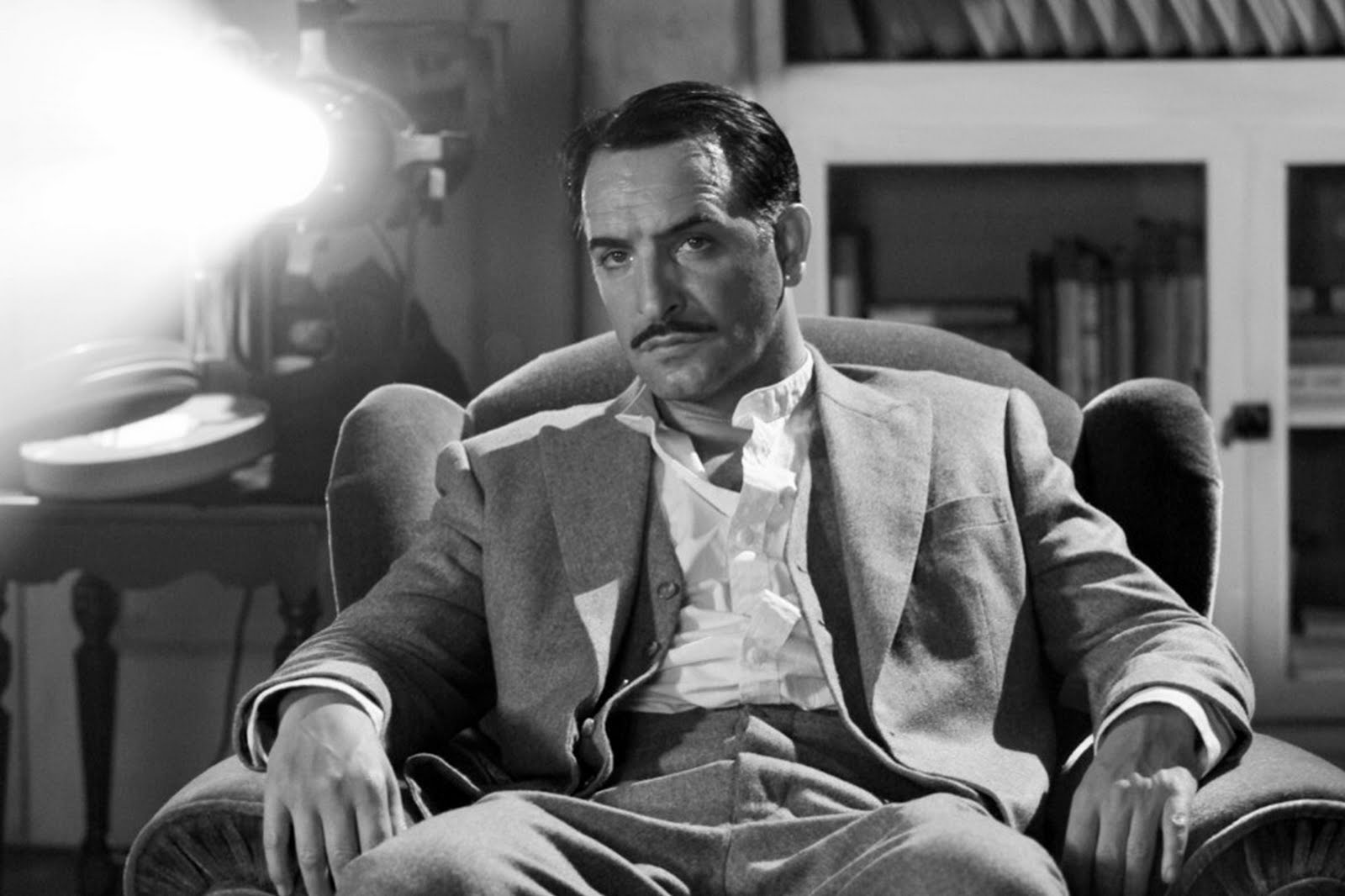
The Artist is that film that foreign film that everyone’s excited about, one that’s threatening to win every other award that it has been nominated for. As a complete contrast to The King’s Speech, The Artist features Dujardin as the fading star of the silent film era. He does not have to speak throughout the film except for a line at the end, one that finally reveals why he wasn’t cut out for talkies. This is a film that rides high on charm and concept and yes, while the dance that Dujardin does in the climax alone is worth the price of admission to this film, it is certainly not something worth considering overlooking Joseph Gordon Levitt or Ryan Gosling or Leonardo DiCaprio. The Artist is one of those crowd-pleasing simple jury-friendly films that may just steal Clooney’s thunder this year.

Gary Oldman, Tinker Tailor Soldier Spy

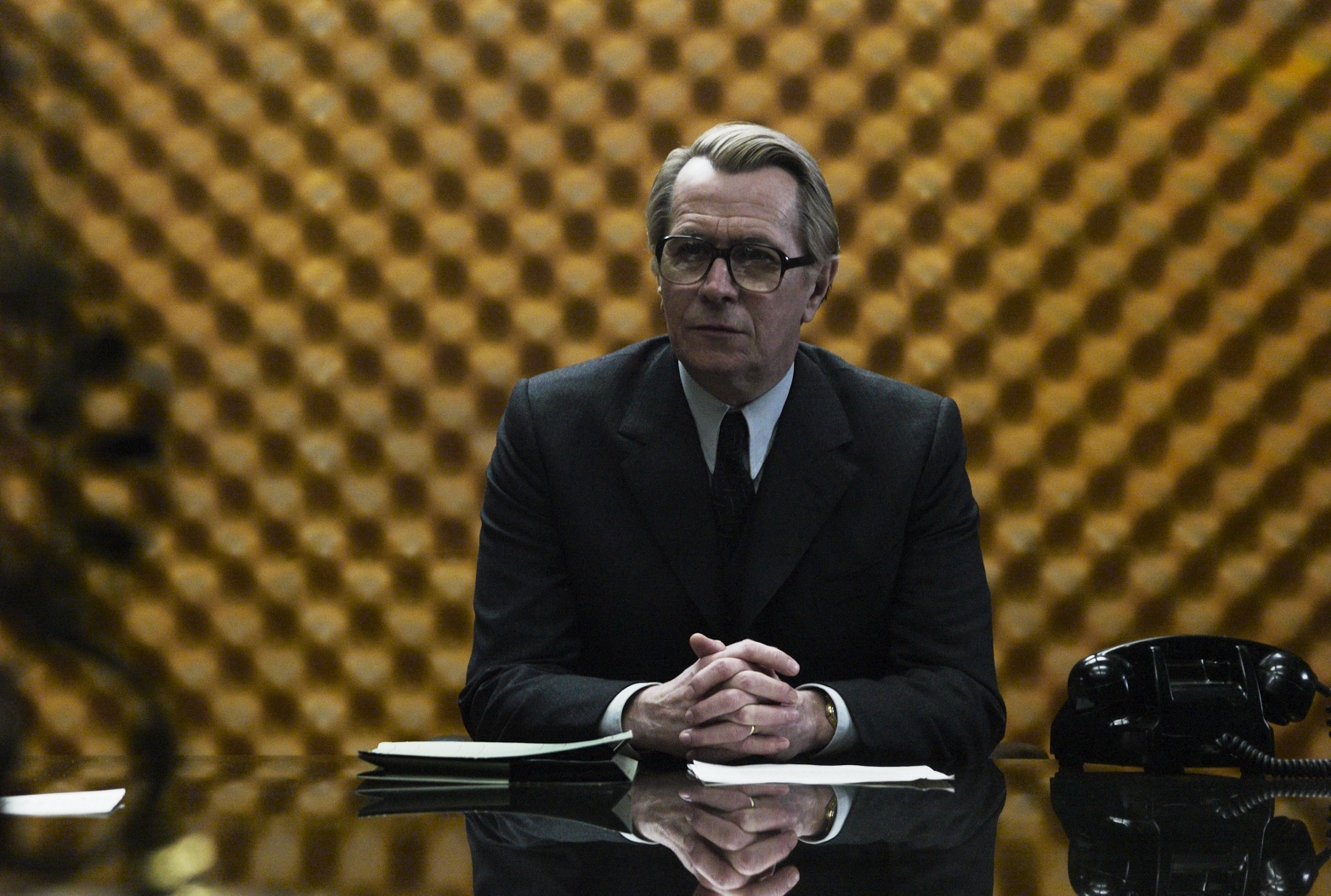
Since there’s no token senior citizen performance to honour this year, that slot goes to 53-year-old Oldman playing a much older George Smiley, the retired head of the intelligence services called upon to investigate a mole. While the film itself is hard to follow if you haven’t read the book or seen the TV series, Oldman’s presence in the film undeniably looms large and you can’t help but notice the finesse he brings to the role. This is not the kind of role that has any sentimental connect with the Academy (in fact most of the older Academy members may not even have the patience to care for this complex narrative), it still makes for a token nomination to honour the best reviewed film that they just didn’t understand.

Brad Pitt, Moneyball

As Billy Beane, the general manager of an underdog team of ragtag players trying to take on the richer teams with the help of science rather than scouts, Brad Pitt scores with in a phenomenally understated performance in this baseball sports drama. The smartly written Moneyball is a less emotional Jerry Maguire for this generation, one that offers Pitt just enough meat to showcase his range as an actor. Based on a true story, it’s a role that does not necessitate larger than life histrionics. It’s a character we understand more through his introspective brooding moments or silent clench of the fist. Just too classy a performance to actually win the big prize.

Ekk Deewana Tha: Why didn’t we fall in love with Amy

February 17, 2012 · by sudhishkamath

Genre: Romance
Director: Gautham Vasudev Menon
Cast: Prateik, Amy Jackson, Manu Rishi
Storyline: An aspiring filmmaker’s on and off turbulent relationship with a confused girl is headed for… two endings. A popular one and a director’s cut.
Bottomline: This miscast remake is surprisingly more emotional and may work for those who haven’t seen the Tamil/Telugu versions

From the moment he decided to cast Amy Jackson as Jessie, one of the most complex women characters ever written in Tamil cinema, Gautham Vasudev Menon’s second outing was never going to be easy.
Menon reasoned that he wanted a fresh face for the role, someone who walks into their lives just like she did into the boy’s. Unfortunately, with those foreign looks, Amy Jackson has been made up so much… just to look simple and native. A role Trisha simply turned into a career best.
And the boy, Prateik, looks too much of a kid and the fact that he wears lipstick… ok, lip colour, doesn’t make it any easy for us to relate to his childish obsession, however, endearing and less aggressive than Simbu.
But there is a certain honesty about characters that Menon creates. Traits that make these characters one of a kind. Flawed and human. Which is why I prefer a badly made up film like Ekk Deewana Tha for giving us real characters with modern Indian middle class issues – age, religion, race, career, etc. than a good looking Hollywood-derived elite film like Ek Main Aur Ekk Tu with shallow characters (standing up for himself against his own family is the greatest personal triumph for the hero).
Though Ekk Deewana Tha discusses them, it was never about age, religion, race or career. It was always just about the girl. A girl as crazy as Jessie. “Of all the people in the world, why did I have to fall in love with Jessie,” as the opening lines of the film go. This is a “Why the hell did I fall in love with this girl” story, one that 500 Days of Summer milked for angst, one that’s effectively justified with the original Tamil ending. A film about this angst JUST. CANNOT. MUST NOT have a popular ending. It ruins the whole point of the film.
The Telugu crowd-pleaser was a commercial cop-out and the need to retain both endings for different theatres is an even greater one. It makes the makers seem as confused as the girl in the story.
But then, even the Tamil ending was a little contrived. Why would a girl who didn’t walk eight steps towards him when she sees him in the US, travel 8000 miles to come and watch his film, especially if she’s not into films and more importantly, if she’s not into him any more? How does a boy be friends with the girl he still loves? Is that the tragedy of his existence? That he has been friend-zoned? Interestingly, just last week, we Ek Main… ended on a similarly messy note. How does this resolve or give the story its closure?
What works for this film is its ability to capture Jessie’s mood-swings from ‘Yes, I want this relationship’ to ‘No, it’s too difficult’ and in many ways, this is our definitive modern middle class Indian girl of today. She can stand up for herself when she has to. She’s free-spirited when she wants to. She decides if she wants the relationship or not. She wears the pants. And she’s comfortable in her salwar suit.
This emotional tug of war between boy and girl is what makes the film slowly grow on you, the director choosing to play things out in a less contrived fashion. No more US trips. Just a chance encounter at a place that serves as the metaphor for what he was making – that symbol of love.
The fresh parts of Rahman’s score really work in these portions in the second half while the old ones used in the first half only underline the sensibility disconnect between the cinemas of the North and the South.
You are sucked into the turmoil of this turbulent romance by the end with solid support from Manu Rishi’s lines (He also chips in with a fine performance). Prateik finally seems to be comfortable and it is Chinmayi’s voice that bails out Amy Jackson in that heavy-duty Taj Mahal scene.
It’s a frustrating watch because of what it achieves despite this casting. We know she’s not who she’s supposed to be, this Amy Jackson.
Why did WE fall in love with Jessie?

Good Night | Good Morning now out on DVD

February 14, 2012 · by sudhishkamath

The easiest way to get a DVD of Good Night | Good Morning delivered home is through Flipkart. They have free shipping and a 15 per cent discount. Order here.

And here’s the complete Screenplay of Good Night Good Morning: Download

Ek Main Aur Ekk Tu: A little less inspiration, please?

February 12, 2012 · by sudhishkamath

Genre: Coming of age/ Romantic Comedy
Director: Shakun Batra
Cast: Imran Khan, Kareena Kapoor, Boman Irani, Ratna Pathak Shah
Storyline: A 25-year-old architect marries a 27-year-old hairstylist in Vegas after a night of revelry and must spend 2 weeks with her & her family to find himself & annul the wedding
Bottomline: A new beginning for Hindi cinema except that every other scene is inspired from another film.

Before scripting, I suspect the writers (Shakun Batra and Ayesha DeVitre) put together an edit of their favourite movie moments and then came up with a story to string it all together. Like the glum workaholic Orlando Bloom-ish failed protagonist fired from his job at the beginning of Elizabethtown. Or strangers hooking up in Vegas, getting married after a night of drunken revelry (What Happens in Vegas). Or when Harry spat out gum out of the closed car window to Sally’s disgust (When Harry Met Sally, of course, except that here, Imran is Sally). Or meeting her politically incorrect parents (2 Days in Paris) or standing up to his own (Bommarillu/ Santosh Subramaniam)… Pretty much everything in the film unfolds with a sense of déjà vu.

But it’s to the director’s credit that he’s managed to make it seem fresh, thanks to framing (debutant cinematographer David MacDonald), music (Amit Trivedi) and performances of its two leads Imran Khan and Kareena Kapoor who play characters well within their comfort zones. It helps that they have both played similar roles before and have excelled in playing these types.
Massively derived from Hollywood, Ek Main Aur Ekk Tu too is plagued with the same problems you would find in their romantic comedies. While the guy is the typical lost yuppie, the girl is the Manic Pixie Dream Girl whose only purpose in the film is to help the lost hero find himself.

On one hand, it wants the lost hero to get rid of that corporate noose (signified by the tie), and find his peace and on the other, it finds itself trapping its hero in an intensely messy love story that remains largely unresolved (unless a stalemate counts for a resolution) simply because we don’t know enough about the girl other than the fact that she’s the Manic Pixie Dream Girl type, the angel who helps the lost soul find his way outside home.

What happens when you borrow from many films is that somewhere you lose track of what your film is about. And that’s the problem with this romantic comedy that never really comes of age. Nor does this coming of age film work as a romantic comedy.

Standing up to your parents to tell them what you want to do is just Chapter 1 of growing up. This is where Wake Up Sid scores and Ek Main Aur Ekk Tu fails because this is more about the Ek (specifically him) than the two. Also, it ends rather prematurely leaving you with more questions than answers.

Structurally, this would make a great pilot for a TV show about one searching for love in a friend and another searching for friendship in love and the tug of war between the two. Or maybe this was planned as a prequel to a series of many films in a franchise. But as a stand alone film, this is at best an ‘average’ film. As Riana shows Rahul the bright side of being average, that is not bad at all. In fact, it’s so nicely put together that you wish it went beyond just the first chapter despite any issues you may have with the bastardisation of plot, characters and situations heavily derived from Hollywood.

Director Shakun Batra shows promise and with a little less inspiration from his DVD collection, this may just turn into a fun franchise. Very rarely do we get a Hindi film that is frustratingly short of good, one that merits discussion and debate. One that has the spunk and cheek to stop in the middle of a story and bring up The Beginning. Go watch it just for that sprightly young confidence.

Players: The perfect robbery

January 8, 2012 · by sudhishkamath

Genre: Comedy

Director: Abbas-Mustan

Cast: Abhishek Bachchan, Sonam Kapoor, Bipasha Basu, Neil Nitin Mukesh, Bobby Deol, Sikander Kher, Omi Vaidya

Storyline: A heist goes wrong and the team leader must rob the betrayer.

Bottomline: A spoof is one way to remake The Italian Job.

Critics seem to underestimate the genius of Abbas-Mustan or even Farhan Akhtar who came out with a similar film a fortnight ago. Decades from now, they will be hailed as the founding fathers of the Bollywood New Wave and be spoken in the same breath as Orson Welles or Godard. *Ahem Ahem* *Chokes*

Don 2 and Players mark the birth and perfection of a form that has been in the making over the past decade with unpolished gems like Race, Prince or Mission Istaanbul getting most of these elements right.

Bollywood’s New Wave is not just modern or postmodern cinema, it is a meta-psychological gratification of the inner subconscious of today’s generation of viewers. A generation for whom the most important aspect of pop-culture is entertainment that is reactive and borne out of an existential need to let out steam by one driving desire: to make fun of people.

To put it simply, the viewer gets maximum entertainment when he is able to participate in manufacturing it. So if he can make snide remarks or tweet about how bad it was, he feels happy and entertained. Director duo Abbas-Mustan and Farhan Akhar have broken the wall that has separated the creators and the consumers of cinema by letting the audience in on the joke they are telling us.

Here’s how Abbas-Mustan pulled it off.

1. The Usual Suspects: Who are the guys the audience makes fun of the most? Star kids. Line them up. Abhishek Bachchan is made fun of for his rapstar image, for having a Bluetooth set stuck up his ear and showing up in his Dhoom costume no matter what film he is in. Make him do all of that. Sign up Sikander Kher for the acting powerhouse that he is, Sonam Kapoor for her fashion sense (you can always make her wear leopard print leggings), Bobby Deol… Just put him in, we will figure out the joke later. And one more actor who needs to be a mole but with a huge mole on his face so that the audience can identify him right from the start… Maybe that Johnny Gaddar boy. Gee, what’s he going to do in this movie?

2. The Originality Debate: Every time we make a movie, the audience and the critics make a big deal about plagiarism. Abeyaar, what it is to you? Ok, fine, we bought the rights, happy? But for the money we paid, we will remake both Italian Jobs in the same movie even if we just paid for one and set it everywhere but Italy. We will do unmentionable things to it right in front of your eyes and you can’t complain we stole a film. Players becomes that rare film with near identical first and second halves because you are watching the exact same film twice.

3. The Predictablity Predicament: The idea is to turn everything meta. The actors are part of the joke (they are not going to complain even if you call one of them Spider) and then make him stay in a Bat, no… Spider-Cave. To mess with the audience’s perception of the predictable, you make the characters so inconsistent – one minute they are in the good team and the other they are bad. Every time you make them change teams, you bring about a twist. Since this is a meta-movie, make the hero spell it out before unraveling it: “The final twist always belongs to the hero”.

4. Sex and Sexuality: A good meta-movie raises the right questions through the right players. Like a Russian military officer tells Bipasha when she wants to break into a song instead of getting straight to the action, “Why do Indians always sing when you feel horny?”

5. Movies as heist: The structure of storytelling of this post-postmodern form is simply this: We, the creators, will come up with the first line and you, the audience, will complete the joke. You are happy because you get to make a joke and we are happy because you paid for the ticket. You laugh your way by trending on Twitter and we laugh our way to the bank. A perfect robbery.

Okay, before they print this on their DVD to con more people, here’s the disclaimer: The movie entertains a lot but not the way it wants to. Go only if you want to make fun of it. Else, go for Gold or at least cash. But make sure you get one of the two.

(This review originally appeared here.)

Guilty Pleasures – 2011 (Hindi)

January 2, 2012 · by sudhishkamath
Every year, we have those film that may not make any best of the year list but we may just love catching on TV or DVD. You’ve read my best of the year (film that I think make for good cinema) but here’s the more populist list to accommodate the films I wouldn’t mind watching again despite the issues I had with them. My guilty pleasures of 2011.
1. Ra.One:
Hype killed this film for me. Kids helped me rediscover it. One that’s more fantasy than science fiction and set pieces inspired by every Hollywood movie made, Ra.One made up for its cheese with more cheese. Shah Rukh Khan made a seriously silly film that entertained despite the huge holes in the paperless plot. Ra.One ended up more as a remake of Om Shanti Om with SRK reincarnated as a Robot but boy, look at those visual effects – especially that train wreck scene… Perfect if you have to babysit a bunch of kids.
2. Singham:
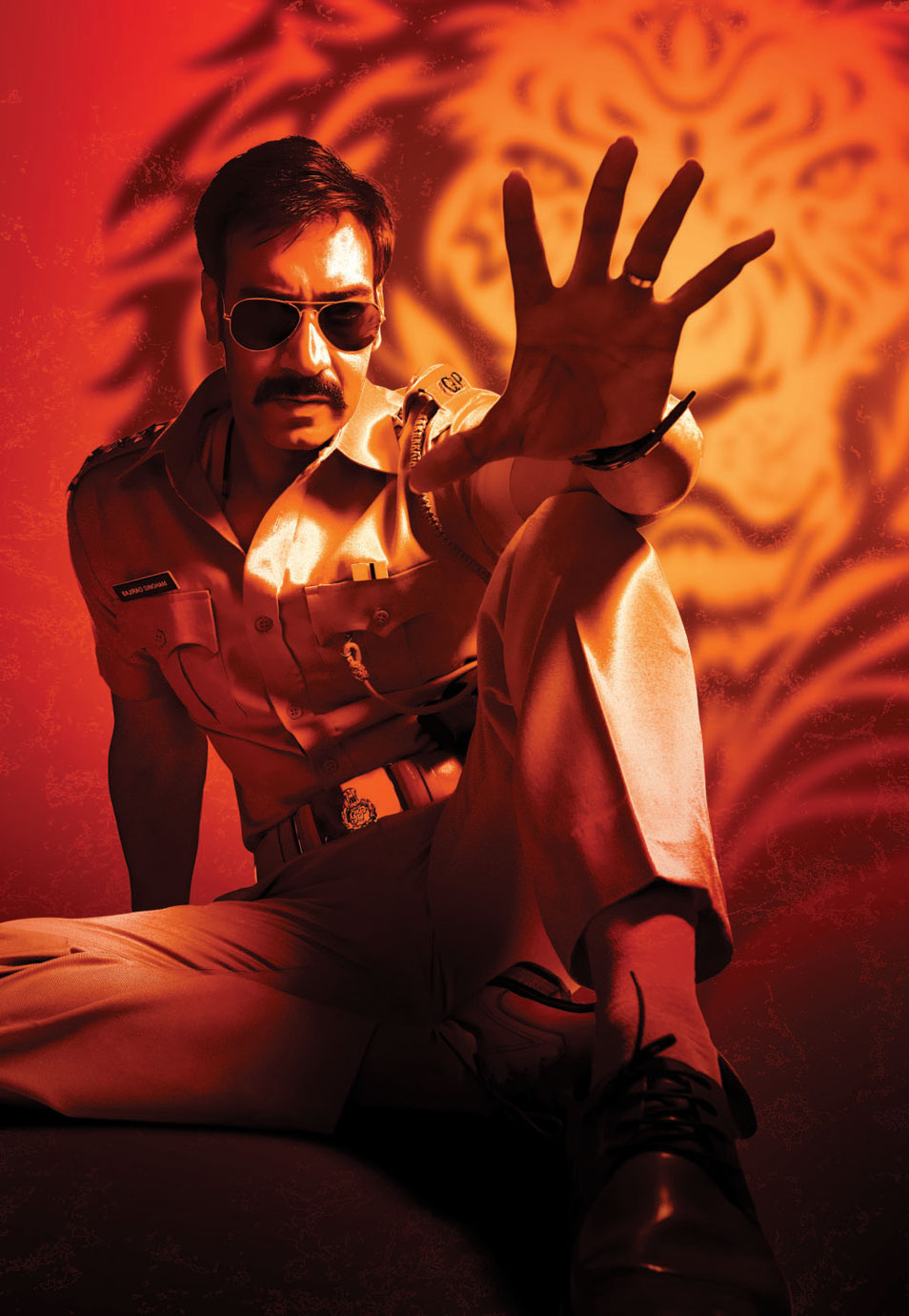
Packed with probably the best collection of punch lines (ok, let’s rephrase that… collection of smart punch lines in a mass based movie this year), Singham worked as long as it stayed faithful to the Tamil version but resorts to a cheat ending, by turning a personal confrontation into a larger police force versus criminals issue. Why even try to be Khakhee? A silly film but went easy with the popcorn.
3. Don 2:
Don 2 ki sabse badi galti yeh hai ki woh Don remake ka sequel hai. Instead of capitalizing on this opportunity to make a full-blown chase film with set piece action, for reasons known best to himself, Farhan Akhtar makes Don as a heist film! (Ok, fine, make a heist film if you insist but why call it The Chase Begins?) As fundamentally flawed as it was, playing out like a narcissistic star vehicle for Shah Rukh Khan, we must admit it brought us a few laughs, some unintentional but some that were indeed planted as a throwback to the 1970s.
4. Force:
Though the title made us think we are in for rape of Kaakha Kaakha after those horrible trailers showcasing beefy John AbraHAM’s acting prowess, the film turned out to be a pretty solid B-movie by staying faithful to the original script. Spoiler alert (but hey, it’s a guilty pleasure list anyway): And the fact that they killed Genelia made us root for the film a lot more.


5. Yeh Saali Zindagi

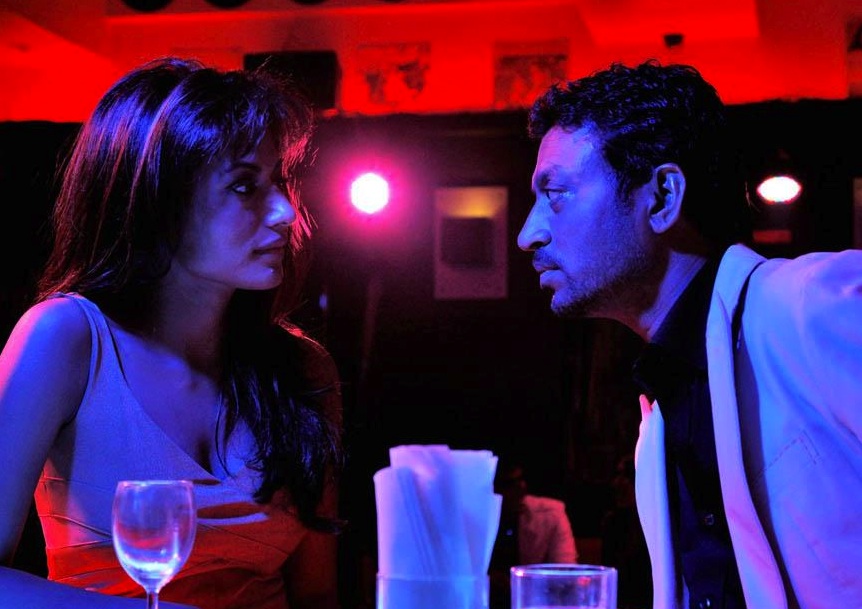
Sudhir Mishra has made some serious films, he is allowed to have his fun. Just count the number of times that dude makes out with Aditi Rao and you’ve already got your money’s worth back. Add cheesy visual effects and assorted characters you are likely to lose count of and what you get is this super fun black comedy that is a tad overwritten but all is forgiven for the man who gave us Hazaaron Khwaaishen  Aisi.
6. Mujhse Fraaandship Karoge:
The screenplay might have unfolded as conveniently as the writers wanted but there’s no denying that the actors kept us hooked to this silly romantic comedy. The girls were hot and the laughs kept coming in regular intervals. One of those rare films from the YRF’s Y Films stable that is surprisingly watchable. Saba Azad FTW!
7. Yamla Pagla Deewana:
As one of the characters in this funny to the point of being stupid Deol-Dharam family showcase says: “Star gaya tel lene. Hawaijahaaz ko hi vote dena” (Don’t go by the star, vote for the helicopter), one can argue that the underlying subtext is that of criticism versus escape. The helicopter used as a metaphor for a light flight of make-believe and escape (read: lies) by the politician (read: filmmaker) to get your vote, much against the campaign by the star-waale (read: critics).
8. Shaitan:
So fucking cool and stylish, this movie can be watched any time and from any point with its absolutely rocking soundtrack and visual flair. Never mind that all the quirkiness and bizarreness is all cut short halfway and the script plays it safe without letting its characters go all out nihilistic but that shouldn’t take away anything from Bejoy Nambiar’s brilliance as a technician. An entertaining urban visual-rock anthem. Almost.
9. Bbuddah Hoga Tera Baap:
This is purely for Amitabh Bachchan fans. It plays out like a Tamil/Telugu film with its fight first-punch line later attitude and it’s not a pretty sight watching the old man we love flaunt his paunch but go deeper into what the film is trying to do and you can’t help but grin and watch the angry, not so young man do what he does best – Kick ass!
10. Dum Maro Dum:

One of the most underrated suspense films of the year, Dum Maro Dum may not have had the best casting (Read: Rana Dagubatti in a role that required a much more solid actor) and was rather inconsistent with its mood. Moments within you feel sorry for a man who has lost his wife, he turns into this rapstar dude singing to the camera, we never take the film seriously after that but it has some really cheeky pop culture references to make Sergio Leone smile.

Five that almost made it:

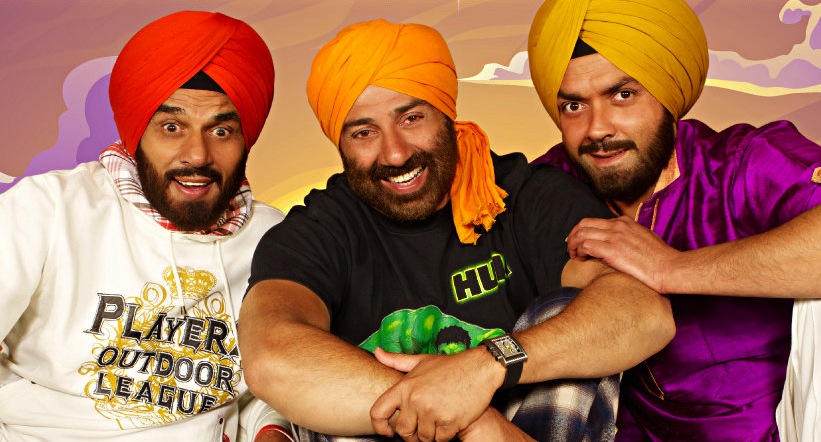
Speedy Singhs, Chillar Party, Chalo Dilli, Bodyguard, Not a Love Story

Five Films that were so bad that were good:

Chitkabrey: Laugh riot. Boobies plus bad acting guarantees it a cult status among lovers of grindhouse cinema.

Haunted: One word: Mimoh. Ok, Mahaakshay. Additional bonus, the epic ghost-raping-ghost scene.

Loot: Mimoh plus more bad acting from Suniel Shetty & some laughs from Govinda and Javed Jaffrey.

Thank You: Presence of Booby Deol in any film is an indication for a wickedly bad film and the fact that it’s directed by Bazmee absolutely guarantees it.

Rascals: To watch Devgan and Sanjay Dutt make excuses to grope fake Kangana boobies for real.

Page 6 of 88 « Previous 1 … 4 5 6 7 8 … 88 Next »
  • Blog at WordPress.com.
Privacy & Cookies: This site uses cookies. By continuing to use this website, you agree to their use.
To find out more, including how to control cookies, see here: Cookie Policy
  • Subscribe Subscribed
    • MADRAS INK.
    • Join 480 other subscribers
    • Already have a WordPress.com account? Log in now.
    • MADRAS INK.
    • Subscribe Subscribed
    • Sign up
    • Log in
    • Report this content
    • View site in Reader
    • Manage subscriptions
    • Collapse this bar
 

Loading Comments...