• SUDA MING’S CHANNEL
  • TALKING FILMS
  • Good Night | Good Morning
  • My Talk Show
  • PROFILE

MADRAS INK.

Menu

  • Archives
  • Columns
  • Diary
  • Interviews
  • My Films
  • Reviews
  • Good Night | Good Morning

  • Word thru the bird

    Tweets by SudhishKamath
  • Connect with GNGM

    Connect with GNGM
  • About GNGM

    Reviews

    “A cerebral joyride”
    Karan Johar, filmmaker on REDIFF

    “Among the most charming and creative Indian independent films”
    J Hurtado, TWITCH

    ★★★★✩
    “You don’t really need a big star cast… you don’t even need a big budget to get the techniques of filmmaking bang on…”
    Allen O Brien, TIMES OF INDIA

    ★★★★✩
    “An outstanding experience that doesn’t come by too often out of Indian cinema!”
    Shakti Salgaokar, DNA

    ★★★
    “This film can reach out the young, urban, upwardly mobile, but lonely, disconnected souls living anywhere in the world, not just India.”
    Namrata Joshi, OUTLOOK

    “I was blown away!”
    Aseem Chhabra, MUMBAI MIRROR

    “Good Night Good Morning is brilliant!”
    Rohit Vats, IBN-LIVE

    ★★★✩✩
    “Watch it because it’s a smart film.”
    Shubha Shetty Saha, MIDDAY

    ★★★✩✩
    “A small gem of a movie.”
    Sonia Chopra, SIFY

    ★★★✩✩
    “A charming flirtation to watch.”
    Shalini Langer, INDIAN EXPRESS

    “Interesting, intelligent & innovative”
    Pragya Tiwari, TEHELKA

    “Beyond good. Original, engrossing and entertaining”
    Roshni Mulchandani, BOLLYSPICE

    * * * * *
    Synopsis

    ‘Good Night Good Morning’ is a black and white, split-screen, conversation film about two strangers sharing an all-night phone call on New Year's night.

    Writer-Director Sudhish Kamath attempts to discover good old-fashioned romance in a technology-driven mobile world as the boy Turiya, driving from New York to Philadelphia with buddies, calls the enigmatic girl staying alone in her hotel room, after a brief encounter at the bar earlier in the night.

    The boy has his baggage of an eight-year-old failed relationship and the girl has her own demons to fight. Scarred by unpleasant memories, she prefers to travel on New Year's Eve.

    Anonymity could be comforting and such a situation could lead to an almost romance as two strangers go through the eight stages of a relationship – The Icebreaker, The Honeymoon, The Reality Check, The Break-up, The Patch-up, The Confiding, The Great Friendship, The Killing Confusion - all over one phone conversation.

    As they get closer to each other over the phone, they find themselves miles apart geographically when the film ends and it is time for her to board her flight. Will they just let it be a night they would cherish for the rest of their lives or do they want more?

    Good Night | Good Morning, starring Manu Narayan (Bombay Dreams, The Love Guru, Quarter Life Crisis) and Seema Rahmani (Loins of Punjab, Sins and Missed Call) also features New York based theatre actor Vasanth Santosham (Bhopal: A Prayer for Rain), screenwriter and film critic Raja Sen and adman Abhishek D Shah.

    Shot in black and white as a tribute to the era of talkies of the fifties, the film set to a jazzy score by musicians from UK (Jazz composer Ray Guntrip and singer Tina May collaborated for the song ‘Out of the Blue), the US (Manu Narayan and his creative partner Radovan scored two songs for the film – All That’s Beautiful Must Die and Fire while Gregory Generet provided his versions of two popular jazz standards – Once You’ve Been In Love and Moon Dance) and India (Sudeep and Jerry came up with a new live version of Strangers in the Night) was met with rave reviews from leading film critics.

    The film was released under the PVR Director’s Rare banner on January 20, 2012.

    Festivals & Screenings

    Mumbai Film Festival (MAMI), Mumbai 2010 World Premiere
    South Asian Intl Film Festival, New York, 2010 Intl Premiere
    Goa Film Alliance-IFFI, Goa, 2010 Spl Screening
    Chennai Intl Film Festival, Chennai, 2010 Official Selection
    Habitat Film Festival, New Delhi, 2011 Official Selection
    Transilvania Intl Film Festival, Cluj, 2011 Official Selection, 3.97/5 Audience Barometer
    International Film Festival, Delhi, 2011 Official Selection
    Noordelijk Film Festival, Netherlands, 2011 Official Selection, 7.11/10 Audience Barometer
    Mumbai Film Mart, Mumbai 2011, Market Screening
    Film Bazaar, IFFI-Goa, 2011, Market Screening
    Saarang Film Festival, IIT-Madras, 2012, Official Selection, 7.7/10 Audience Barometer

    Theatrical Release, January 20, 2012 through PVR

    Mumbai
    Delhi
    Gurgaon
    Ahmedabad
    Bangalore
    Chennai
    Hyderabad (January 27)

    * * * * *

    More information: IMDB | Facebook | Youtube | Wikipedia | Website

  • Browse: Categories

  • December 2025
    M T W T F S S
    1234567
    891011121314
    15161718192021
    22232425262728
    293031  
    « Dec    
  • Recent Posts

    • Simmba: A departure from the formula
    • Zero: The hero who wasn’t
    • Protected: AndhaDhun: What did that end mean?
    • Love and other cliches
    • October: Where is Dan?

Posts By sudhishkamath

Hate Story: Entertainment, Entertainment, Entertainment? Yes, Yes, Yes!

April 25, 2012 · by sudhishkamath

Genre: Erotic Thriller

Director: Vivek Agnihotri

Cast: Paoli Dam, Gulshan Devaiah, Nikhil Dwivedi, Bhairavi Goswami

Storyline: A victimised journalist decides to use her body to avenge the loss of her motherhood and bring down a business empire

Bottomline: As dirty a picture as allowed on Indian screens strictly only for those who liked the trailer

After an expose of a corporate scam, a corrupt and powerful industrialist villain decides to get even with the journalist by screwing her over till she decides to do a different kind of an… er… expose.

To be honest, this is a much more compelling plot for an erotic film than the half-baked Dirty Picture that fizzled out on its promise of “Dirty-ness” halfway through. Unfortunately for Hate Story, the makers don’t have a Vidya Balan or Naseeruddin Shah to make people pretend they are watching a classy film.

Very rarely do we have actresses willing to strip down for a role and when a newbie does it, she’s not classy? How is Paoli Dam any less a committed actress than Vidya Balan?

Hate Story, despite it’s so-bad-that-it’s-good entertainment factor, is not for hypocrites. It’s for those willing to surrender to the cheesiness of the B-movie genre.

If you choose to go for it after watching the trailer, at least don’t complain about its sensibilities.

It’s an erotic thriller, what did you expect?

So, does Hate Story offer the Dirty Picture promise of “Entertainment, Entertainment and Entertainment?” “Yes, Yes… Oh Yes!”

If your idea of entertainment is watching the actors struggling to get their expressions right.

Gulshan Devaiah, who is a pretty decent actor when he has to play it straight, is a fish out of water when he’s asked to play it over the top and stammer Bollywood style. His facial contortions are great entertainment.

The gorgeous, brave Paoli Dam, who is totally comfortable when she has to play the regular girl, finds herself reduced to a caricature when she’s asked to venture into the loud, screaming territory. Her excuses for seduction are great entertainment.

The writing is a hoot. The campiness of the dialogue is great entertainment. Q: “How do I have sex with people I hate?” A: “Shake it, take it and fake it.”

It’s difficult to take the revenge part of the film seriously though.

Because if you were to look at what all happened through the eyes of the villain… “Hang on, not only did I get to sleep with a smoking hot woman, she decides to get back at us by sleeping with my top management and is thoughtful enough to stream her sex videos live to my entire team. Sweet! And, she saves me from suicide! Well-played.”

But then, what’s the point of making an erotic film if all the best parts are shown only to the Censors and a only tamer version makes it to the screen?

We can only hope the makers release an unrated version on the internet.

The growing disconnect: Reviewing the reviewing process

April 10, 2012 · by sudhishkamath

How do people like the very film critics hate? Or why do critics hate the very films people love?

The answers I often get include: “Because they are smarter,” “Because they have a more refined taste,” “Their sensibility is elitist,” “Because critics often look down upon popular or what’s low brow”.

Let me speak for myself.

I don’t have a refined taste. I like all kinds of cinema. Including sex comedies. Okay, especially sex comedies.

I am not elitist. At least not consciously. But when I watch a fat guy with his pants down drop a turd in the very first scene of a film, I am not amused. Not because it’s dirty but because it’s lazy filmmaking.

Almost like: “I want to make them laugh no matter what, so let me make him fart/burp/fall/slap/drop a turd/get slapped by monkey/have his bum bitten off by a crocodile/crotch bitten by a snake…” Anyone who has watched physical comedies churned out by Bollywood knows I am not exaggerating. All of this has happened in the last 2-3 years.

I do not think critics are smarter. Yeah, maybe they think more about films and structure more than the average Joe does but that doesn’t make us any smarter. If at all anything, that sort of thinking actually sets critics at a disadvantage. Because that’s not how regular people watch movies.

Maybe because many critics do not review the film AFTER it’s done. Maybe because we are reviewing the film WHILE watching it. Some make notes, some live-tweet, punch away key points in their phones or scribble in the dark. I must admit here that I have done quite a bit of my reviewing that way and have often wondered if that’s really fair. So I try to switch off and watch the film like anybody in the cinema does.

Yes, these days I don’t think about what I am going to write when I go to watch the film. I don’t analyse or think about it scene by scene. I don’t deconstruct it because it ruins the experience for me completely. I surrender. Even if I have been adequately warned about how horrible the film’s going to be.

And I have been genuinely surprised by how much more I have enjoyed films when I don’t put my critic’s hat on WHILE watching the film. The hat comes on only when I sit down to type the review. Yes, there have been times I have wished I had taken down notes or pieces of dialogue but I have learnt to tell myself that if it was worth remembering, I would remember it anyway. If it wasn’t, why bother quoting it in the review?

Over 90 per cent of the films that find theatrical release are not made for festivals. They are made to sell popcorn. They are not “Find the loophole,” “Spot the continuity,” “Guess the logic” exercises for critics that they often turn out to be because many of us take our jobs very seriously WHILE watching the film. If the filmmaker didn’t make films to be consumed shot by shot, what is the point of such elaborate deconstruction and putting the technical aspects under a microscope? It’s not a shot breakdown classroom exercise. It’s not a synopsis writing competition. It’s not a story retelling contest. But the presence of a deadline has changed the game. Critics are expected to have an opinion on the film by the time we step out of the theatre, put it up in 140 characters and rate it out of 5 stars or 10 so that people know if the film’s good or not.

And it’s a thankless job. If you rate something higher than what everyone has, you are nicer and kinder and have lost your fangs as a critic. If you don’t rate it as much as everyone has, you are this bitter frustrated critic with an agenda. If you are on the fence, the reader does not know any more at the end of your review than he did before he read it. Or so I am told. I find these conclusions annoying. People fight over ratings like they are the ultimate yardstick of quality. Despite the fact that I try to remind my readers that ratings are never an indication of how good or bad the film is, they are only an indication of how much the critic liked the film. And if I have also told them that if they want to read reviews they agree with, maybe they should write and read their own reviews.

It’s very easy to write negative reviews, dismiss films and I do that too when the film does nothing for me. I must confess that I find doing that boring. As any rookie critic can tell you, a negative review is the easiest to write. As any experienced critic can tell you, negative reviews always get more attention from the readers than the positive ones. It’s like readers derive this sadistic pleasure when a film is ripped into shreds for all the money those rich and famous have taken from us, the struggling class.

Besides, bitching comes naturally to most of us. But I must set on record here that I rather type out 3000 passionate words about a film that really worked for me than a bitchy 600 word review on a film I didn’t. And no, it’s NOT because I am a filmmaker. It’s because I love movies. All kinds of them.

I have always believed that movies are like parties where you meet people. The characters you meet don’t have to be perfect to be loved. You might meet someone obnoxious to everyone but nice to you at the same time. Or you might meet someone who is nice to everyone but ticks you off. You might meet someone rich but stingy. Or someone poor and yet generous.  Someone great looking but shallow or someone ugly but kind. You might meet people who do not speak your language but appeal at a deeply personal level or speak your language but do not connect with you at any level…

So how exactly do you judge these people or the parties you meet them? Action by action, word by word, WHILE meeting them?

If you were to review people/parties as you review films live. Your thoughts at a party meeting a stranger would go somewhat like this: “Oh! Look what he’s wearing. Great, now he’s saying a joke. Someone is actually laughing. He’s reaching to get himself a drink. Now, he just spilled some. How clumsy. He’s looking at me and trying to make a conversation… He said Asterisk instead of Asterix. Wait, is it Asterix or Asterisk? His English is so bad. His accent is funny. He’s coloured his hair today. Let me quickly jot down that funny sounding line… Hang on, I think I just got a text.”

Or you could actually let your hair down, laugh with him, pour yourself a drink and live the moment in its entirety and reserve your judgement on him until the party is over.

A film like the one that released this week, Housefull is like that obnoxious drunk who makes sure everyone at the party has a great time. People used to quiet evenings of wine-tasting may find such behaviour low-brow and crude while people who were looking to just drink and laugh out loud silly may find themselves like a fish out of water at a wine-tasting.

It’s no secret that many of our critics prefer the wine-tasting. Why is it that as critics, we are expected to be the connoisseurs of fine art and look down upon the popular fun stuff? “How can someone who made GNGM actually like Housefull 2?” someone wondered aloud. Another wondered what have I been smoking to sing praises of Housefull 2. I didn’t exactly sing praises but who gives a shit? They read a couple of positive lines in between all the criticism and conclude that I have lost it.  Why this gross intolerance of the B-movie genre? Do we hate Housefull 2 because it collected 45 crores in the opening weekend? Or do we hate these people who have made it a hit and think they are all idiots?

Dude, if I like it, I like it. What am I supposed to do? Apologise for my taste?

If I went for a wine-tasting, I would surely pay more attention to taste. But if I am at a beer-guzzling contest, I am just going to sit back and cheer or walk away if I am not in the mood or if I don’t like the crowd.

It’s sort of become cool to troll filmmakers like Sajid Khan especially after they have been candid enough to say they don’t care about critics. I know people who complain of how torturous Housefull 2 was but stayed till the end of the end credits to laugh at the gags. If that’s not hypocrisy, what is? Shouldn’t you have made a run for the door when you got the chance?

Critics run down most physical comedies and these comedies have now started to boast being disapproved by critics as a sure stamp of coolness. Take a look at this Kya Super Cool Hai Hum Trailer.


This disconnect is a rather dangerous sign.

Does this mean critics are losing track of the very people they are writing the reviews for? The intellectual elite needs to share the blame for this. They are too many of these pure-cinema lovers on Twitter and Facebook while a majority of the audience for our Hindi films is far away from these platforms. I see more and more critics and movie buffs bonding over bashing B-cinema in general. Anyone who approves of escapist entertainment is fast becoming an outcast on social media.

Yes, it maybe futile to expect an Anees Bazmee to make an original film or a David Dhawan to make an offbeat film or Ram Gopal Verma to find his form back but unless we give them a fair chance, how will we know? They may be really rotten individuals, arrogant and spiteful of the media, but it’s not our duty, business or priority to hate them back (though I must admit trolling them is fun). But when it comes to evaluating their work, shouldn’t we just keep the focus on the film that’s out? How many of us can really say we’ve been fair to the B-movie guys? If we have decided that B-movies are the scum of the industry, why bother reviewing them? Isn’t it like stating the obvious once you’ve made your choices well-known? “I hate B-movies. So this B-movie sucks.”

I have liked films made by some of the slimiest people from the film industry and hated films made by some of the nicest. As a reviewer, I am employed for my opinion and I make sure you get to read it. If I like something, I make it a point to explain why I like it and if I don’t, I tell you why I didn’t.

You may like it exactly for the same reasons I hated it or hate it for the same reasons I liked it. My duty is to tell you what kind of experience I had with it.

Based on that, you decide if you will like that experience. I have gone skydiving, I am going to say it was great to experience a few seconds of pure unadulterated stomach churning fear and free-falling helplessness. Whether you want to skydive or not depends on how you feel about facing fear or feeling helpless.

If you are reading reviews that tell you in great detail about how painful or torturous the film was, you may want to check what exactly about the film hurt the critic that much. You may just want to watch it exactly for those reasons. Your Mom may not approve of beer because you could get drunk and not know what you are doing. You may want beer because you want to get drunk.

Ultimately, it’s about making that educated choice. I believe that my job is to leave that choice to my reader and not tell him/her what to do.

As I have often said in my interactions with students, a critic shouldn’t be arrogant enough to assume he’s the judge delivering the verdict. He’s at best an advocate fighting for or against it, presenting his arguments for or against, for the consideration of the reader to judge for himself.

Of late, I have realised that this process of evaluation itself needs to be reviewed because of the disconnect critics seem to have with the audience these films are meant for. I am not saying my approach is right and yours is wrong. There’s no one way to review art. But it helps to understand why we review and who are we doing it for.

Do we really understand what our readers want? Or do we think we know what’s good for them?

Housefull 2: Dumb and Dumber

April 7, 2012 · by sudhishkamath

Genre: Comedy

Director: Sajid Khan

Cast: Akshay Kumar, John Abraham, Riteish Deshmukh, Shreyas Talpade, Rishi Kapoor, Randhir Kapoor, Mithun Chakraborty, Boman Irani, Asin, Jacqueline Fernandes, Zarine Khan, Shazahn Padamsee, Johnny Lever, Chunkey Pandey

Storyline: The heir to a rich empire makes two con-men pretend to be him to help out a friend as the sitcom spirals into a comedy of errors.

Bottomline: Silly, juvenile, stupid but fun if you are easily amused.

Let’s say there’s a new film in town – a big budget porn film with a line-up of big stars. Critics understandably have no choice but go for it in the line of duty and to be fair, it’s not their kind of cinema because well, it’s just porn. Not cinema.

You on the other hand always have a choice whether to go or not. So you can either go for it and then come back to complain how it was just porn.

Or… you can come back entertained because you like porn.

Housefull 2 is technically not a porn film but it is a silly, juvenile comedy of errors with a line-up of stars. It’s laughter porn. Not cinema.

Like most porn films, the plot does not matter, you know what you are going to see, you are familiar with the territory because well, the stars and the action is just a rehash of the previous part that was successful and plot and the background is just an excuse to unleash that action you have come to watch.

Now, I didn’t like Housefull because it tried hard to be funny (I don’t find people slapping each other funny) and it stole from the worst of Hollywood while borrowing the major part of its plot from the play Right Bed, Wrong Husband (that also inspired Kadhala Kadhala in Tamil, Hungama in Telugu and All The Best in Hindi) not because I don’t like the genre. Nobody did it better than David Dhawan in the nineties.

So I don’t have a problem with that genre or how crude or distasteful the humour is as long as the jokes work.

Housefull 2 takes pretty much the same situation from the first part but with twice the confusion and this is not exactly easy to pull off with at least 14 characters (15 if you include Malaika Arora’s Anarkali) contributing to the madness.

If the first part borrowed most of its gags from bad Hollywood films, this one finds itself home fondly looking back at old school Hindi cinema for inspiration. However, be warned that it’s long and the drama, especially the action scenes, really seem out of place in this narrative stretched to a point of excess.

The good part is that jokes work much better in Housefull 2, a film I was sure I would hate after the trailer that promised exactly the ridiculous kind of insanity one can expect out of this film.

Housefull 2 turned out to be funnier than what the trailer promised.

That brings us back to the question: If you know that the new release is laughter porn, why go for it when it’s not your kind of cinema?

Akshay Kumar will love this, he finally seems to have got his confidence and comic timing back. His take on Ranjeet’s lecherous ‘Aaaye’ is a hoot (incidentally, there’s a fine cameo by “the rapist” villain Ranjeet himself as towards the end with the best gag reserved for the end-credit sequence).

John Abraham still seems to be having trouble with comedy but is easy to overlook in an ensemble like this while Riteish and Shreyas are wasted playing the foil for the two leading men.

The glam dolls (Asin, Zarine, Jacqueline and Shazahn) are just silly caricatures, the physical comedy involving animals is often as contrived as you would find in the weaker Farrelly Brothers movies nor can Malaika Arora act… But who’s paying to watch Malaika “act”. Her ‘Anarkali Disco Chali’ alone is worth the price of admission.

There’s just so much comic talent in the film to ignore, especially from the senior citizens in the cast. It’s great to see the original Disco Dancer let his hair down and having a blast while the reliable Kapoor brothers – Rishi and Randhir – are always a delight to watch. And there’s Boman Irani, Johnny Lever and Chunkey Pandey back as Aakhri Pasta as a bonus.

It’s certainly not the kind of cinema a critic ought to advocate simply because its success can spurn half a dozen sequels or worse, Anees Bazmee films but unfortunately, this is the kind of fare that has come to pass off for Andaz Apna Apna for this generation.

If you grew up in the nineties, I should maybe quickly add… Like Aakhri Pasta would say: I’m-a-Jo-King!

An edited version of this review appeared here.

P.S: And as for what I think about Sajid Khan and his attitude towards criticism, that’s a different story altogether.

3: Why This Kolaveri Da!

March 31, 2012 · by sudhishkamath

I had absolutely no expectations from 3. Especially after a silly but fun song went viral! People seemed to have bought their own hype on the basis of THAT song?

Let’s be realistic. How perfect could a debut be? That too with all the generation next baggage it was carrying – the legacy of Rajnikant, Kamal Haasan and Selvaraghavan. Ironically, that misleading Kolaveri hype that may just kill the film. People who went in expecting a silly but light-hearted fun film were probably a little too shaken by the fact that it begins with its leading man’s death.

This is a daringly dark debut by Aishwaryaa R Dhanush and I was more than impressed by how the first half unfolded – very refreshingly light, casual and realistic. For once, actors actually looked believable playing school kids – Both Dhanush and Shruti get the body language bang on. Innocence is one of the most difficult things to capture on film and to her credit, the debutant director does it by ducking all the small cliches. No rich girl, poor boy. It’s the other way around. Not a complete idiot, boy is smart and can score 86 per cent in physics if he wants to. No trying to get to first base or second base here, the focus is on holding hands or going for a bike ride. Dhanush has come a long way from the Thulluvathu Illamai days.

When he says something mushy, she tells him not to get filmy. The film tries to keep it real. Or at least as real as it can get in the mainstream format. The first act is very real and close to life and probably the best part of the film. It has an instant connect with the young.

The second is when the makers resort to a little whimsy. And this time, it’s the boy who tries to tell the girl not to get filmy. But having crossed a threshold and a point of no return, the narrative hops along the surreal path taken. There’s a wedding in a nightclub, probably a little too much even in a Mani Ratnam romance film. If a certain lover from ‘Bombay’ told his father he can’t wait for the old man to kick the bucket to get married, here the young lover tells his Dad he’s willing to leave home and demands a share of the Grandfather’s property. As you prepare for another Alai Payuthey, we are reminded we are watching something that’s more out of the Selvaraghavan school.

The third act of the title 3 is what will either make you love it or hate the film as it lets go completely into the unreal space. It’s never easy to pull this off!

There are some moments of bloody brilliance (the one involving a pug will send shivers down your spine) and the film turns into a complete acting showreel for Dhanush as he relishes every burst of violence in the film. He saw him do a similar turn in Selvaraghavan’s largely restrained Mayakkam Enna and it’s always a pleasure to watch an actor go for a career best.  When stars around are trying to capitalise and assert their heroism, Dhanush is going all out to prove he can act and he can do that bloody well and if nobody’s going to write roles for him, he will do it all by himself with help from his brother, wife and family!

It’s difficult to talk more about without getting into the spoiler part of it. So if you haven’t watched the film yet, please watch and then come back to read this.

It’s understandable that we don’t get the slightest clue about the twist in the third act in the first simply because it’s completely through the girl’s point of view. If she saw him as a normal, regular guy, there’s no way she would remember anything abnormal or out of the ordinary. But a more experienced director would have put in something there too that could be interpreted in very different light on second viewing.

The third act, that unravels mostly through the best friend’s point of view (Sunder is superb here again) shows us a very different, disturbing side of the guy we got to know in the first two acts. And it is the manifestation of this side that’s so unreal and the biggest cliche to have ever hit Tamil cinema. The dangerous thought that the mentally ill are a hazard to not just society but also the family.

And after being decidedly non-filmy (in the first, in the second and even in an action scene in the third act, one of the bad guys quips: This is not cinema fight and gives a crash course on how it should play out for real), the film explodes into one melodramatic filmy climax – be it the hero beating up half a dozen guys single handedly or showing us things that nobody would know – not the girl, not the best friend… moments where he’s alone, where he’s all by himself. Which is fine within a filmy narrative but for a film that claims it’s NOT filmy and it’s real, there’s no way anyone around would know what the character’s final moments were and this portion sticks out like a sore thumb. And as good as he is, there’s just no reason for a two minute exposition of great acting, especially in that last scene Dhanush features in.

A better filmmaker would’ve had us imagine that in our heads. What is not shown is always more powerful than what we see.

Socially, this is a terribly irresponsible film no doubt but there’s no denying that in terms of pure cinema, it marks the arrival of a filmmaker with promise. A filmmaker confident of handling the dark side, without a damn about what the market wants.

Would’ve normally gone with 6/10 but Aishwaryaa gets an extra point just considering that this is her debut. 7/10

“If Facebook were to have its say, Anna Hazare would be President”: Siddharth Basu responds to criticism on NVOK/KBC

March 19, 2012 · by sudhishkamath

After the first 12 out of 80 episodes rolled out in its first season, the makers of the Tamil KBC, Neengalum Vellalaam Oru Kodi, have gone in for a life-line. Audience Poll. Just to be sure if the show’s working after initial buzz that the questions were just too silly.

“The ratings haven’t fallen. In fact, we have grown in the third week even with these questions. And the questions were not silly, the options were mocking. The feedback we got was: Don’t mock your own questions. We’ve taken it as constructive feedback and put it to the Big Synergy team,” says K. Sriram, Channel Head, Vijay TV.

“The characteristic of the show is that you play at the level of the contestant. If it’s a chaiwala like in Slumdog Millionaire, the questions are made at his level. It’s partly science, partly art and it involves a little judgement and experience. The first few questions are meant to be icebreakers and people can slip even in the simplest of questions. Out of 19 people who have been on the show in the first 12 episodes, five have taken lifelines within the first five deceptively simple questions. The reason we employ simple or easy questions is also because it increases the ‘Shoutability’ factor. People sitting and watching the show shout out at the answer. The idea is not to put an organic chemistry formula question to trip everybody right at the start,” explains Siddharth Basu, one of the masterminds behind the Indian variants of the show.

Siddharth Basu, who runs Big Synergy, was in town to supervise the new schedule – Episodes 13 & 14 – shot on Friday, for Monday and Tuesday evenings.

“You can look up this video on Youtube when a contestant on Who Wants to be a Millionaire was asked Which of the following is the largest: A. A Peanut B. An Elephant C. The Moon D. A Kettle… and still got it wrong after using a lifeline. That’s part of what the show is supposed to be at the first level. It is supposed to be funny, bizarre and eventually get serious. Sometimes, even stupid questions get wrong answers.”

There has been no dumbing down for the South whatsoever, Basu swears.

“It has never entered our mind. Part of the format is to play at the level of the contestant. To give you an analogy, a show like Mastermind is like watching Sachin bat in full form. You admire a virtuoso. On KBC, anybody can put bat and ball. It could be your grandmother. Or to give you another analogy of high jump, let’s say you can jump 3 feet. Since the show is designed as a ladder, we would start easy to make you clear your level before pushing you to jump higher.”

“You will see more and more facets of Suriya during the season. He’s making quite an effort, really reaching out to connect to the audience,” adds Siddharth Basu.  “He approached it very conscientiously and sincerity that comes off on screen. We did mock sessions for gameplay, techniques with him and different kinds of people. He hadn’t done much real time interaction like theatre before and yet, he’s managed that graph in quick time. The idea is to play to the strengths of the star. The idea is not to make him become Amitabh Bachchan or SRK, it has to be Suriya or Suriya plus.”

Last week, viewers got to see a very new side of the star when we went down and danced with a contestant and he went down on his knee to propose to her. “When he goes on to the floor, he surprises us,” says Sriram.

Most criticism of the show has come from Twitter and Facebook with people putting up screen grabs of questions and comments under it.

“The blogosphere, or social network-sphere, you can take seriously only up to a point. If Facebook were to have it’s say, Anna Hazare would be President and Prime Minister rolled to one, we could have Lokpal that would be housed on the moon… How seriously can you take this? Of course you listen to it. And if it’s sensible it is but if it’s off the point, if it’s just whole lot of venting and opinions, then it’s people’s right to do it… It’s wonderful but you keep your judgement and keep going. Here’s a format that has been hugely successful in 120 territories worldwide. You do what you think is right when it is time-tested,” says Siddharth Basu.

“It’s about the ratings. Otherwise, we would run the show on Facebook. It’s not. It’s on Vijay TV. We want to go to Madurai and beyond. We have our priority. It’s not for the Facebook crowd. In fact, I can challenge them to take the test and after a point it wouldn’t be simple for them. ‘Millionaire’ world wide, particularly in India, has become the human story as much as it’s knowledge game. It’s a knowledge game that’s life changing and gives you a sense of the people that are there in small towns… A sense of India beyond what’s on Facebook, what you read in newspapers or what’s on TV generally. The contestants are the stars of the show. This is about their stories and their lives.”

“When people say I can’t, I want to do that: Suriya”

When I was first approached, I went and saw this show in Mumbai and met Mr. Bachchan. I was thrilled, excited, very scared at the idea, I even thought I cannot do it. But when people say I can’t, I want to do just that. So I just thought I should jump into it since it would be a good exercise to learn something new. When I went to Mumbai and saw what the show was doing, I knew I couldn’t have missed this opportunity. Because this is not a game show or a quiz show. It’s about people. You see the whole of Tamilnadu on the set and I had a role to play, I had to be instrumental in helping them get the prize money. There’s been a lot of positive feedback. I have been able to reach out to people who have never seen me in theatres because TV has a much wider reach.

The first person who was shocked was Jo (Jyotika, his wife). ‘Dhoni was my hero and he’s gone to No. 2 and you are now No.1, she said after watching the first episode. It wouldn’t have been surprised for any of us if Karthi had done this because he’s naturally talkative. We actors are always restricted to a small circle of people. We meet some at the airport, we have people watching shooting but we don’t connect or talk to them but this show brings me closer to people. I see them share their life experiences and open up. I want to make them feel comfortable.

I don’t have any plans of what all I want to do in the show. I just go with the flow. I jumped into it because it would help me grow. Even while playing the game, I only know the answers after the computer tells me once they have told me their answer. So I am as excited as the audience for them during the gameplay.  I want to be more spontaneous on the show and make them open up. Everything happens in real time. So nothing is planned.

I can’t be another person (on comparisons with Mr. Bachchan). Initially, I thought I had to play all the questions seriously but I realised, there were some fun questions which I shouldn’t have taken seriously. So from now, I would handle them differently. This show has been a learning for me.

An edited version of this story originally appeared here.

Why a filmmaker and a critic can’t be friends

March 16, 2012 · by sudhishkamath

How can you rate Pyaar Ka Punchnama 9/10, a journalist asked me point blank when I was temporarily on the other side of the fence, facing interviews during the release of my film. Now, a rating never is any indication of how good a film is. It is only an indication of how much the person rating it likes it.

And that’s the only truth.

And no matter what you do, you cannot contest or argue with that truth – that I liked a film or didn’t like a film. What you can argue with are the reasons why I liked it or why I didn’t. And those are the discussions I love.

The day before Good Night Good Morning released, SRK fans trolled our IMDB page to teach us critics a lesson. I review for The Hindu and the much-hated Raja Sen from Rediff plays a supporting role in the film. How dare we write negative reviews on Don 2? SRK fans ran a campaign on Twitter calling other fans to rate GNGM 1/10 since there’s no 0/10 option. I would be lying if I said it didn’t matter at all.

Of course it matters. Because unlike a review that’s one person’s opinion, an IMDB rating was some sort of a barometer of how many people liked it and how many didn’t.  And being a niche film without stars, we were catering to a film literate audience that was IMDB-savvy and that rating really seemed to matter. We created about 20 fake accounts to counter the 28 1/10 votes and posted reviews (real ones done by others) under our own accounts crediting the real author at the end of the post of course.

To our disappointment, it didn’t work. The rating remained unchanged. Because IMDB uses some weighted average system that is a well kept secret to stop people from manipulating the ratings. We asked friends to bail us out by voting. That didn’t help much either because the trolls kept doing the same.

And so it happened. We started off with our 3.4/10 rating, the worst thing that we could’ve asked for. But thankfully for us, reviewers seemed to like our film a lot more. And more than the critics, the people who watched it became the film’s ambassadors.

We got over 50 positive reviews with a minimum rating of 3 stars and over 500 tweets and an equal number on FB through comments and status updates within a week for a film that barely 1500 people watched in the theatres before Agneepath kicked us out of the theatres on Day 7.

My friend Raja Sen wrote a column on Mumbai Mirror inviting people to bring out their claws. We had prepared ourselves for the worst. Considering how much we give out, we really wanted to see how much we could take ourselves.

Luckily, we didn’t have to take much. Yes there were a few friends who hated it and chose to keep their opinions to themselves (something we always get to hear about through DMs because Twitter makes the world a smaller place!) but that is a part of the game. You can never please everyone.

We got lucky that many people liked our film. Our IMDB rating shot up to 7.6/10 with over 200 votes (Of course, that is perhaps a little too much for our little film, I agree and so no complaints that it is now much less).

Within a month of the release of the DVD, we became the film that sold more DVDs than any Shah Rukh or Salman film last year on Flipkart (climbing up to No.5 on Flipkart’s all time best seller list – only behind Rockstar, The Dirty Picture DVD, The Dirty Picture VCD and Zindagi Na Milegi Dobara.

That there was our big “Fuck You” to all those trolls who did stuff out of pure malice, without even watching the film.

As you can guess by my tone, obviously I hate those pests.

To most filmmakers, every critic who gives a bad review is one such pest. They hate them from the bottom of their bottom. The smart ones just know to conceal it better. And the not-so-smart ones like Samir Karnik shoot their mouth off and provide us the laughs.

Being a critic, I do know that a review is one person’s opinion… But when there are more people who share that same opinion, it is perceived as a larger truth by the average reader/browser and read as an evaluation of the quality of the film, pretty much like the IMDB rating.

You know when a film gets 1 star or 1 and a half stars from every other critic in town must be quite bad. You know a film that gets 3 stars or above from every other critic must be quite decent. That’s also how I believe that I have made a decent film – by looking at the aggregate of the reviews and the arguments made against it and not just individual opinion – because honestly, there’s no way I can judge my own film till the time I have had the benefit of time and distance.

I can’t watch my first film again. I hate it. I removed all evidence of its existence.

Now, I remember getting good and bad reviews for my first film. I remember linking both the good and the bad reviews on my blog back then. I was going to send one of them a ticket to my new film inviting him to rip it apart again when I heard he told a common friend how he ‘Pwned’ my first film (when I had sportingly linked to his negative review from my blog). So I changed my mind and didn’t send him that ticket. Why? Because we don’t like people who don’t like us. Simple.

It’s always that way. There may be 200 people saying good things about your film but that one guy who hates it/disses it always gets your attention. You feel the need to react to that one guy instead of reveling in the glory of all the positivity.

No filmmaker finds it in him to forgive the guy who has dismissed months of his hard work, blood and sweat. It’s only human.

In fact, I respect the ones who have told me to my face that they can’t be friends with me. Like this popular actor down South: “For you, films maybe a part time hobby. For me, films are my life. If you don’t like my films, we can’t be friends.” That is the most honest statement I have ever heard from any person in the film industry. I respect the guy for that.

I had given one of his weakest films a bad review and the producers sent us a legal notice threatening to sue me for 25 crores to compensate the loss! I wish reviews had that kind of power. Bodyguard would have flopped given how it was ripped apart by critics almost unanimously.

But the thing about conflict is that it suddenly puts the critic at a disadvantage. It’s a stalemate. If you say anything positive about his next film, you are a suck-up. If you say anything negative, you are nursing a grudge.

I have lost many friends to this politics of reviewing.

Having seen the ugly side, I can safely say that there are just a handful of filmmakers who I know who can truly take it like a man.

I am not going to take names. But here’s a sample.

One filmmaker stopped following me or responding to me and another critic after a bad review of his film last year.

Another champion of independent cinema feigns friendship during the occasional run-ins but chose to maintain radio silence about my film when it could’ve really done with a little support during the month of release, especially after he claimed to like it.  Of course, no one owes anyone anything. The only point here is that we are certainly NOT friends because we share that awkward critic-filmmaker relationship.

A studio boss stopped following me the day my Yearend list was out in papers minus his films.

Another industry buddy who gave me gyaan on how cool he is with criticism told a fellow critic in a moment of weakness that we critics didn’t know shit and we should first go make a film to know what it’s like (More on this at the end of this post). He also later made sure he told me why he thought my film sucked and how he could write a better film.

More recently, a filmmaker got largely good reviews, stopped entertaining calls from his former colleague and friend after she wrote a mildly negative counter-point.

Another master filmmaker who made a bad film last year recently admitted to a friend how he wasn’t able to deal with the negative review no matter how hard he tried. “You should have told me first before writing it.” “But you didn’t have a problem when I wrote good stuff without telling you beforehand.” “Who complains about good stuff?” Again, this was an honest response from a guy who had stopped taking calls.

Most filmmakers fake it.

Like Harry told Sally that a boy and a girl can never be friends, a filmmaker and a critic can never be friends. Bad sex always gets in the way. “Boohoo! You screwed me.” There are always exceptions to the rule, of course and I am lucky to have such friends too… though one can never be sure these days 😉

And as for that much used argument: “Go make a film and then criticise…”

Here’s the thing, guys. That shows you don’t understand the medium enough. Filmmaking is a process of construction, putting it together block by block while film criticism is a process of deconstruction and taking it apart piece by piece. Blocks and pieces are like chalk and cheese sometimes because what you thought was chalk was probably cheese for the person consuming it.

It’s like assembling an impossibly giant jigsaw puzzle of an image you have only inside your head against a deadline. Sometimes you don’t even have all the pieces, especially when you are an independent filmmaker. And once you have left the room with whatever you have assembled in the time and space you were given, a bunch of people walk in to make sense of what you’ve put together. They are able to spot some parts of it and don’t get some. It does not always reflect their inability to read, it sometimes reflects your inability to put it together. The truth is always somewhere between the two.

As my friend Cilemasnob often says, “You don’t need to know how to cook to comment on the taste of food.”

And during that week when I was briefly on the other side of the fence, almost every other journalist asked me if you need to be a filmmaker to be a critic or vice-versa. No way. They require slightly different skill-sets. That’s like saying “You should have experienced a heart attack at least once to be a good cardiologist”.  Or to extrapolate that thought further, “You should have been a corpse once to be a sensitive undertaker.”

P.S: “Even you can’t take criticism!”

This is such a recursive loop, one that renders the entire exercise of arguing futile. When you make a counter argument to criticism, it is seen as a sign that you cannot take criticism simply because the guy criticising you cannot deal with the fact that he’s being criticised for his criticism. There’s no end to this, every criticism can be counter criticised and so on until…

a. It reaches a “Let’s agree to disagree” stalemate

b. You stop being friends

c. You pretend you are friends but actually think the other is an asshole.

Therefore, a critic and a filmmaker can never be friends. QED.

Kahaani: Hacker, Traitor, Soldier, Spy

March 16, 2012 · by sudhishkamath

Genre: Thriller

Director: Sujoy Ghosh

Cast: Vidya Balan, Parambrata Chatterjee, Nawazuddin Siddiqui, Saswata Chatterjee, Indraneil Sengupta

Storyline: A pregnant woman comes to Kolkata searching for her missing husband as the hunt leads her to a dangerous doppelganger.

Bottomline: A thrilling mind game you don’t mind losing

The most fascinating part of fiction, or as the word ‘story’ classically means, is that it is not real. Just like magic. Or cinema. There’s willing suspension of disbelief involved especially when the storyteller tells you upfront, that he’s going to simply tell you a story.

And reminds you every few scenes that it is just a story – starting from the giveaway of a title and tagline, to the genre itself (on a scale of real to spy thriller, how loophole-free is Tinker Tailor Soldier Spy, one of the finest and most sophisticated spy thrillers ever made?), comic book type characters (surely you didn’t think a life insurance agent with a silencer gun killing people in public spaces is realistic) to larger than life situations (A gas attack, chases and shootouts through streets, hairpin facilitated break-ins, assorted hack-jobs) reminding you constantly that what you are watching is just pure good old pulp fiction. As any basic course in film studies would teach you that all these “loop-holes” are in fact alienation devices to remind you that you just watching a movie. Or listening to a story with all the visual, animated dramatics of the form. Kahaani is best analysed within the framework/ parameters of the form/ grammar of classic storytelling.

If you start questioning why didn’t Kansa just kill Vasudev or Devaki (or at least one of them) fearing the prophecy that their eighth son will kill him or wondering how they conceived Krishna through mental (and not sexual – because that would lead to fresh loopholes – why did he allow them to have sex for all those years and wait till they produced eight babies!!) transmission, then the mother of all epics – the Mahabharatha itself seems fundamentally flawed. Did you question why an exiled prince built a bridge with an army of monkeys when he could just take a Pushpak Vimana on the way back? Or were aeroplanes a technology only the Lankans had access to? If yes, why not get the spy monkey hijack a plane during the visit there – the one where he burnt all of Lanka? This dude lifted a mountain to save someone, why not just throw the mountain on the enemies and kill them all? We’ve heard this many times before – never let truth come in the way of a good story.  The unreal incidents are constant reminders that we are being told a tale.

Sujoy Ghosh makes for a charming storyteller with this finely crafted, rivetingly paced thriller that makes up for realism with plenty of quirks and twists.

Kahaani is just that sort of a mind-game you don’t mind losing because the game is much more entertaining than the end result. Not to take away anything from Ghosh’s end-game, this story just doesn’t unfold, it explodes into the colourful streets of festive Kolkata and expects us to keep picking up the pieces of the jigsaw let loose on screen from scene one.

There’s a lot of misdirection, most of it is smartly done and well-concealed. Most of the twists hit us out like a bolt out of the blue and produce genuine moments of surprise. And we surrender to the storyteller instead of trying to second-guess the film, given the fun he seems to be having in telling us this story of a woman in search of her missing husband in a city she is a complete stranger to.

Ghosh gives us a thriller charged with the electric atmospherics of an exotic city. What is it about Kolkata that inspires filmmakers to set it as a background for suspense films? We explore its mystery through the eyes of Vidya Venkatesan Bagchi (or Biddha Bagchi as the Bengalis call her) and discover the city’s culture and chaos, zipping past it on taxis, trams and trains of Kolkata’s Metro.

It’s that kind of a frenetic ride where you think you know where you are headed only to find yourself at the edge of the platform, pushed right in front of a speeding train! One moment, it’s a dizzying merry-go-round that’s gone out of control, and before you know it, it’s a rollercoaster of a blind chase as the dazzling narrative pieced together by Setu’s energetic cinematography and Namrata Rao’s cuts keeps us hooked all through its moments of inspired, zany madness.

Be it Bob Bishwas (Saswata Chatterjee), the insurance agent who doubles up as a contract killer or the obnoxious rude intelligence officer Khan (Nawazuddin Siddiqui), these are characters destined to be celebrated as ‘cult’ years down the line. Just watching the diminutive Nawazuddin Siddiqui chew up the scenery around him with his powerhouse presence is a delight.

But carrying this baby in her maternity clothes, Vidya Balan has truly arrived. This is no Dirty Picture banking on low-cut blouses. This is the Vidya we have grown to love for her choice of roles and her gumption to do what it takes to get into character. Decades after Rekha, do we have a diva as gifted, an actress so good that she can carry films on the basis of sheer performance, with or without make-up. Yes, I am leaving out Madhuri since I can’t think of films she carried all by herself and Sridevi because I always found her acting way OTT.  We totally relate to sub-inspector Rana (the soft-spoken Parambrata Chatterjee) who is happy playing second fiddle, completely in awe of this heroine. We become him, rooting for her throughout the film and discovering the truth through his eyes.

The film does stay on for a few extra minutes than required to spell out the mystery, a decision likely to attract criticism. But having heard from people who still have doubts and questions, maybe it was warranted. It’s not every day do we get a suspense thriller that demands us to keep thinking and re-evaluate everything we have been told to check for loose ends. Surely he must have dropped a ball juggling all those things or didn’t he?

Updated: A second watch confirms he hasn’t. In fact, it is the second watch that shows you how brilliant the film really is for the way it made your memory play tricks with you. You thought you saw her husband’s face in every flashback after a first watch? Watch again.

Catch it before someone gives the ending away. Chances are you will want to watch it again. What a finely spun yarn this is! Mast-must watch.

Oscar review: Selling denial

February 27, 2012 · by sudhishkamath

Hollywood is looking back and outside. For inspiration? Or a market?

“Nostalgia is denial – denial of the painful present… the name for this denial is golden age thinking – the erroneous notion that a different time period is better than the one ones living in – its a flaw in the romantic imagination of those people who find it difficult to cope with the present.”

Woody Allen nails it on the head with that line in Midnight in Paris, one of the nine films nominated for this year’s Oscars, that look back at a different period. In a way, his is THE most relevant film of our times, and that quote a single line review of what cinema is going through, at least artistically.

Check it out:

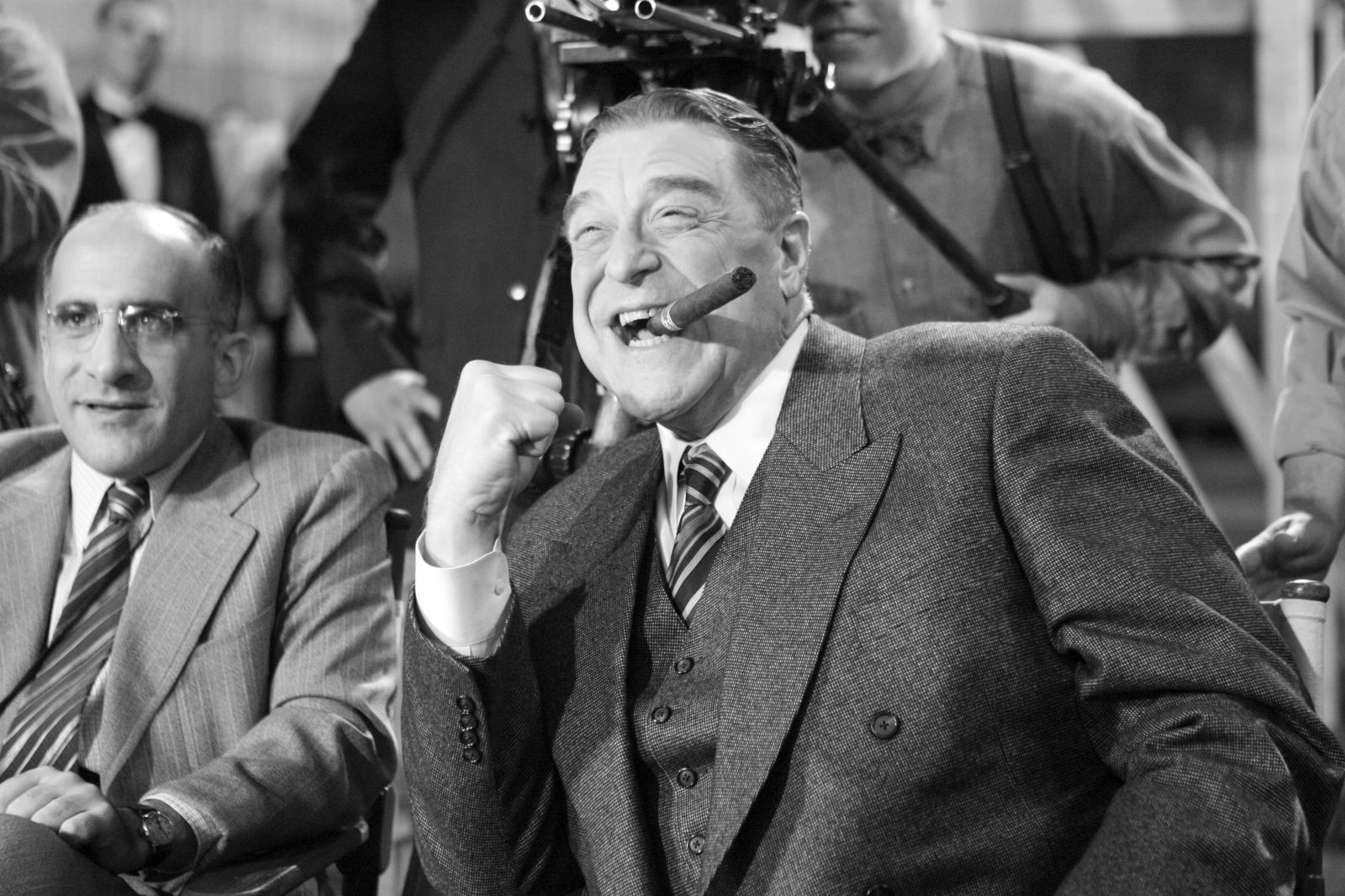
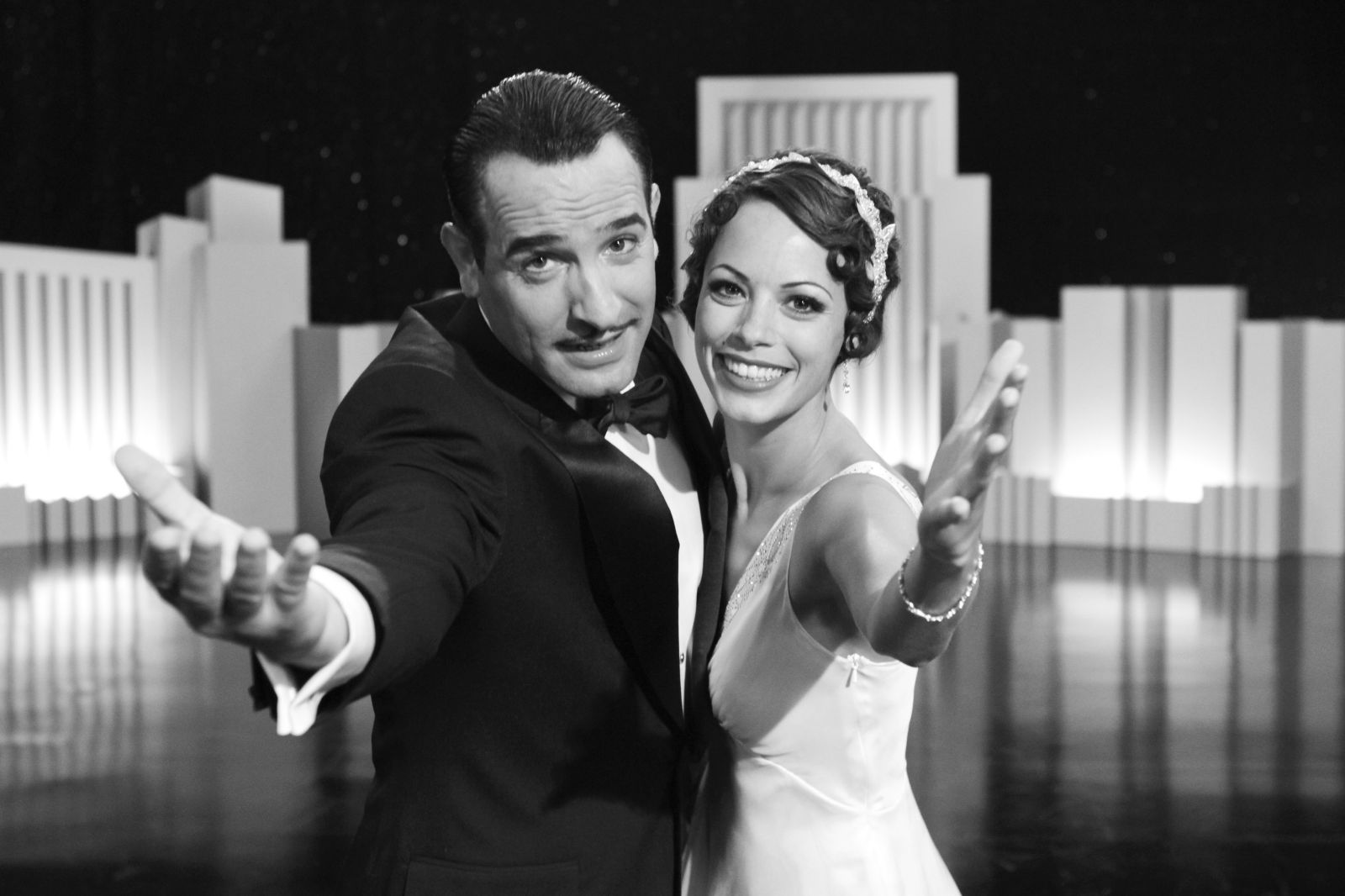
The Artist: Looks back fondly at the silent era when cinema was on cusp of change

The Descendants: Looks back at the land your ancestors owned when family was more important than anything else

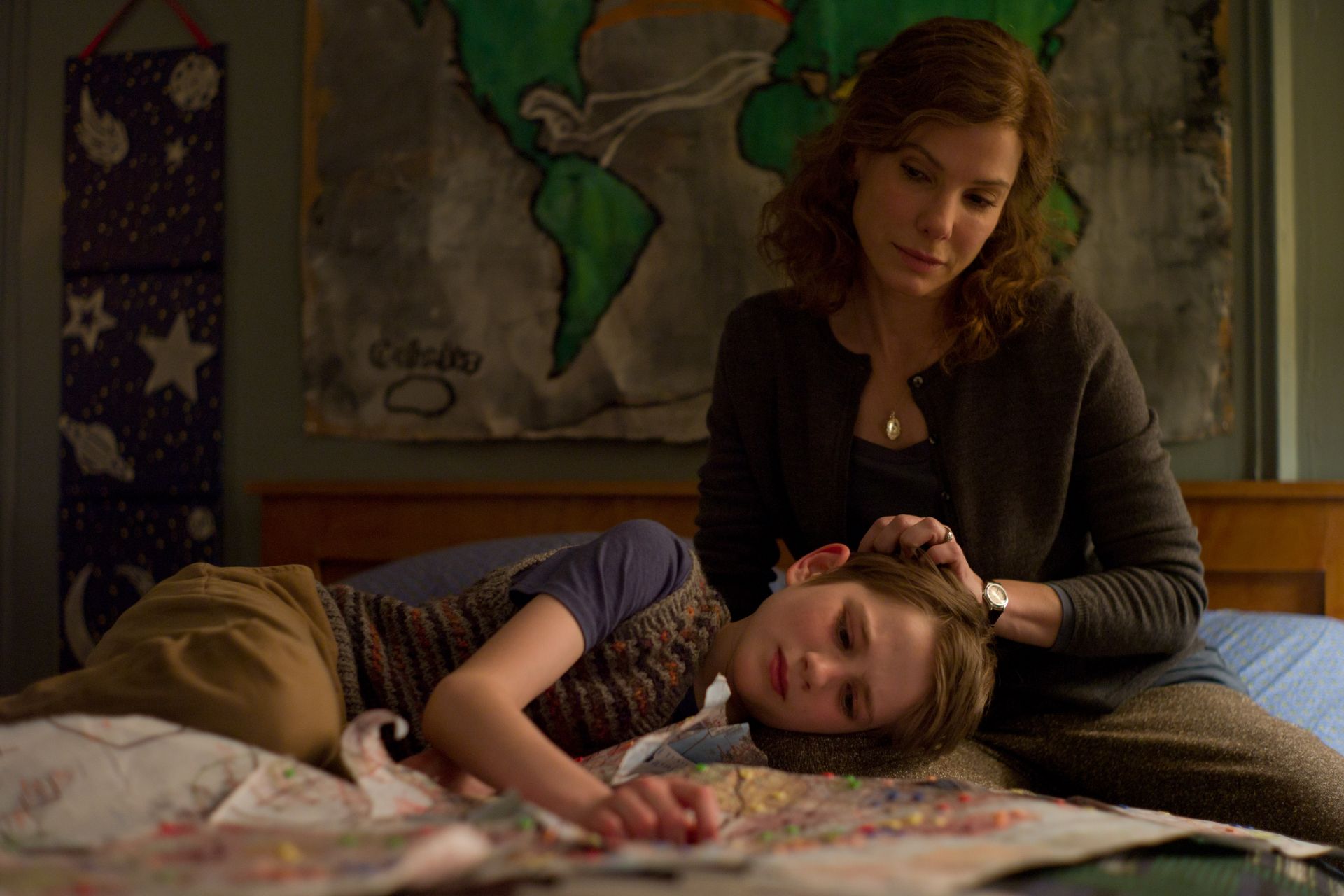
Extremely Loud & Incredibly Close: Looks back at a time before 9/11, trying to hold on to the memory

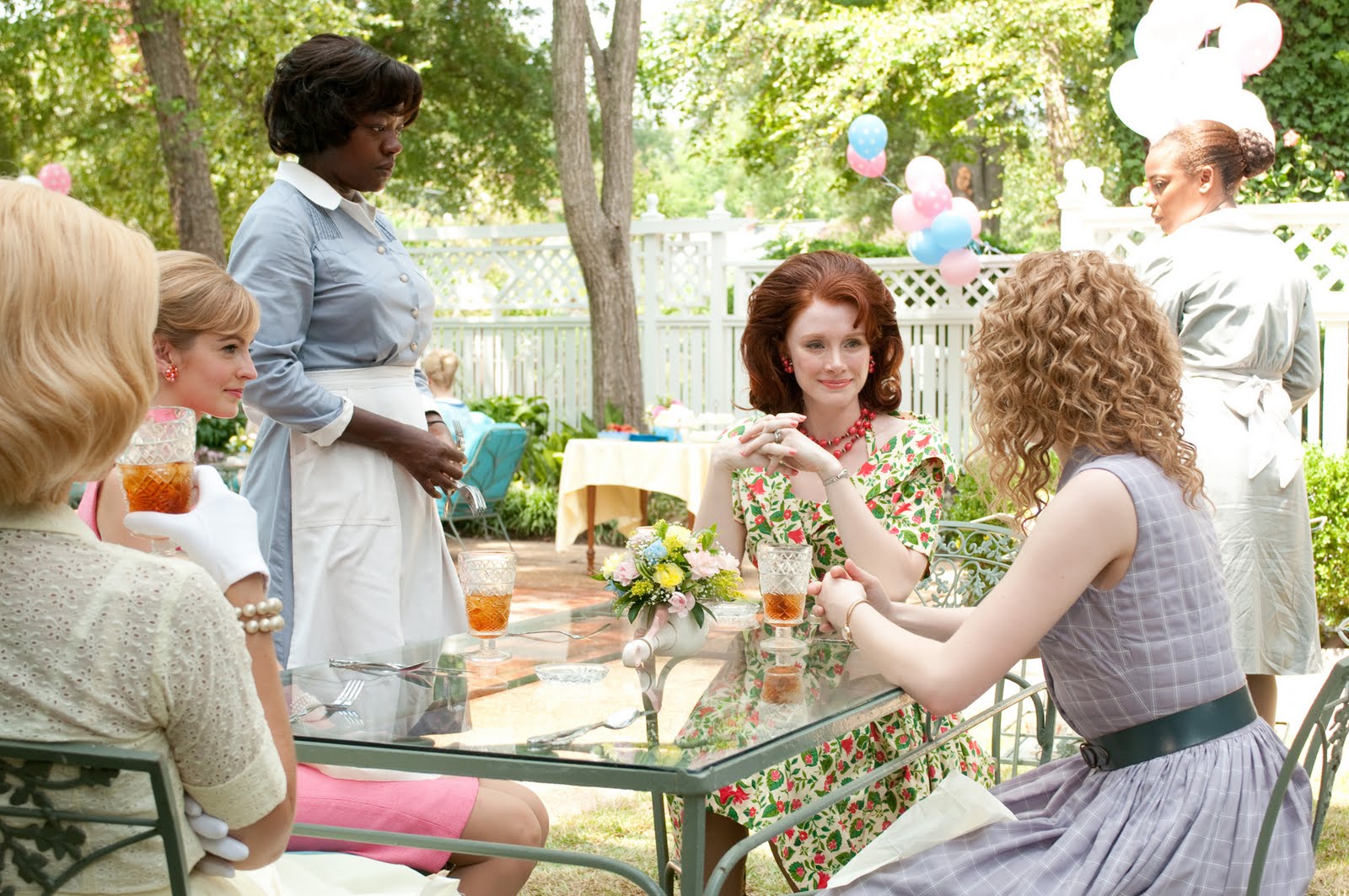
The Help: Looks back at the period when the coloured finally spoke out against the racist system

Hugo: Looks back at a time when the magic of cinema triumphed in the face of adversity and war and survived

Midnight in Paris: Looks back as denial of the painful present as already established by the quote from the film

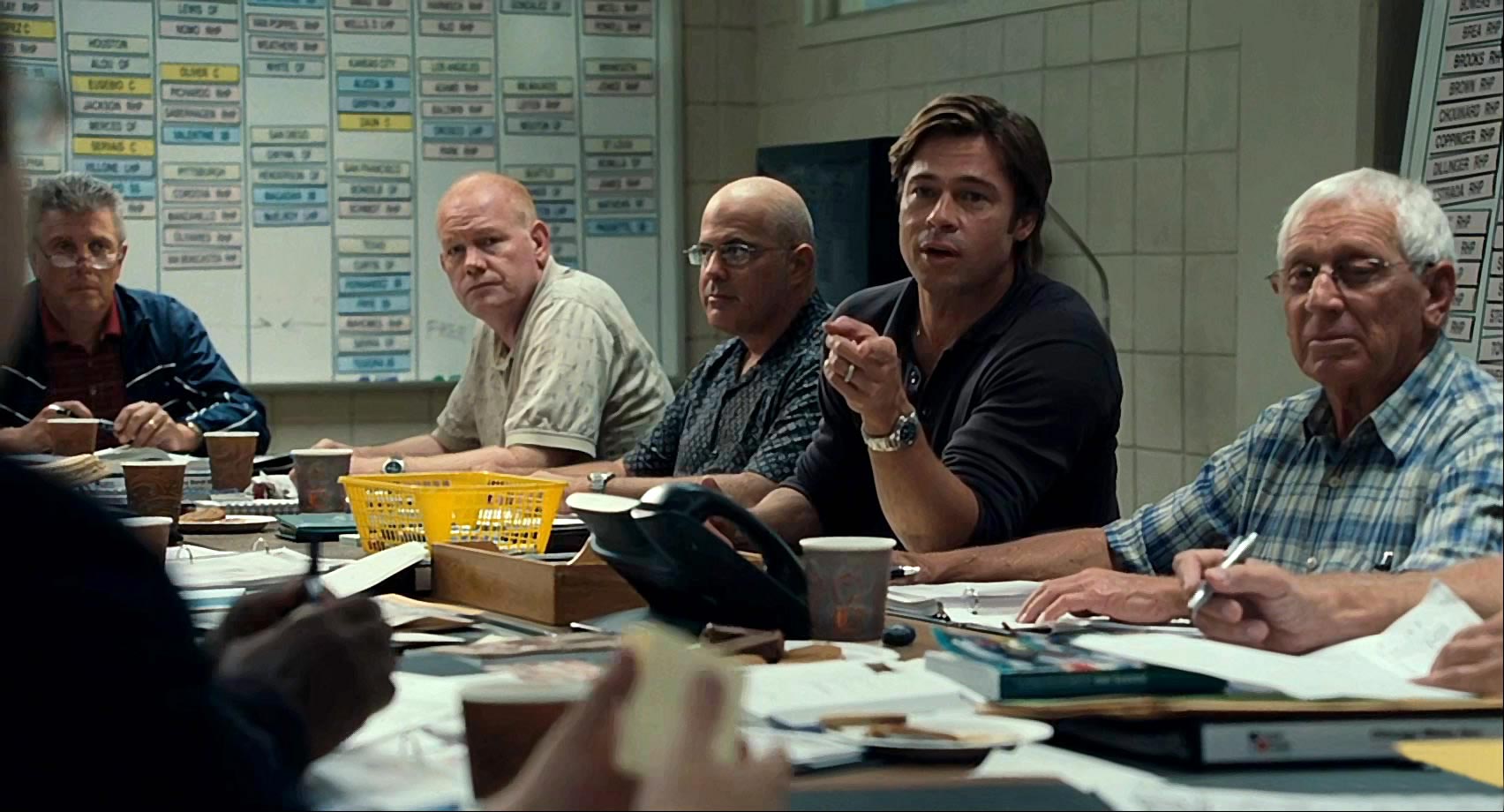
Moneyball: Looks back at the recent past when sport changed focus from experience to science and economics

Tree of Life: Looks back to the creation of the universe to understand the purpose of life

War Horse: Looks back at a period when brave soldiers were sent away from home to an uncertain future and actually came back

Not just these films, even some of the other films nominated this year look back at a different period (My Week With Marilyn, The Iron Lady, Albert Nobbs) as if conflicts of today are too painful to address. The only other explanation is that the Academy members are getting really old and senile and like most old people start are clinging on to the past: “Those were the days…”

Maybe the studios have figured out that surest way to win an Oscar is to look back at “those days” that the old folk at the Academy like to talk about.

Looks like Hollywood is in no mood to discuss what’s happening in America today. Maybe it’s too painful and disturbing to talk about. There are only so many films you can make about the disintegrating family unit (sample: We need to talk about Kevin) and most of them end up as tense, dark and disturbing family dramas made for Sundance. You need to keep these things light these days. Ask Alexander Payne (The Descendants).

After all, art is always connected to commerce in Hollywood.

So what is Hollywood up to these days apart from tapping into/rebooting its comic book franchises?

It’s trying to seduce the rest of the world, going global for stories and expanding its market. Again, check this out:

The Artist: Considering how resistant the art-loving French have been towards big bad Hollywood, this was the perfect opportunity to build bridges, one that Hollywood wasn’t going to miss. It didn’t win any of the big technical awards but the major awards won suggest it won their hearts.

Hugo: Set in Paris, this one was made to encourage more filmmakers outside Hollywood to use the 3D format. Wim Wenders, Herzog and Scorsese have been the biggest ambassadors for 3D to the world. Not surprising that 3D cinematography was rewarded.

The Help, War Horse & Real Steel: 11 nominations in all for films produced by Dreamworks and Reliance Entertainment, one of the biggest players from India picked for Best Picture (two of them without a Directing nod – clearly a bone thrown to the studio)

Midnight in Paris: The Academy prefers Woody Allen’s films set in Europe (Vicky, Christina, Barcelona) over his Manhattan films of late. Rewarded with a Best Original Screenplay and a well-deserved one at that, considering it is the most relevant film that reflects on art and who we have become.

The Girl With The Dragon Tattoo:  Fincher stays faithful to the Swedish backdrop to capitalize on the popularity of the books around the world and kickstart a big budget Hollywood franchise with James Bond himself. And rewarded with a big Technical award for Best Editing.

Harry Potter and the Deathly Hallows – Part 2: Oh, well. Goodbye finally.

My Week With Marilyn & The Iron Lady: Hollywood productions in the UK, rewarded with nominations and at least a win for an American white actor (while a coloured actor beat her white co-nominee with a Best Supporting Actor for a film about race).

Tinker Tailor Soldier Spy: A popular UK-based franchise/production that got a token nod for an British actor.

Albert Nobbs: A Hollywood production in Ireland.

A Separation: An nod outside the Best Foreign Language film, nominated for Best Original Screenplay and an award – the perfect opportunity to make a political statement to the Islamic world. That America loves them too. Ask Pakistan, they won something too tonight.

The fact that the Academy rewarded Crouching Tiger, Hidden Dragon some years ago, Slumdog Millionaire a few years ago, The King’s Speech last year and now The Artist this year only further proves that Hollywood is large-hearted and looking to reward other cinemas in the world too.

Especially, if it translates to finding a market there and expanding its business.

They have succeeded India’s biggest entertainment company to invest in Hollywood already and rewarded it by letting the family walk the Red Carpet.

And that’s how the game is played.

If the final tally proves anything, it’s that Hollywood is saying: We have the best technology, you have something we find interesting once in a while. Let’s share the spoils together. We take five for Hugo set in Paris, you take five for The Artist set in Hollywood. You celebrate our cinema, we celebrate yours.

As the host Billy Crystal said right at the start of the Oscars, it’s all about channeling cinema for escape and making people believe that all is well with the world.

“So tonight, enjoy yourselves because nothing can take the sting out of the world’s economic problems like watching millionaires present each other with golden statues.”

Forget everything, lose yourself. In J.Lo’s slip so low or Jolie’s slit high thigh.

Oscars 2012: And the winner is… old-world charm

February 26, 2012 · by sudhishkamath

The Artist:

Everybody loves The Artist directed by Michel Hazanavicius. It’s a silent film (at least till the very end) in black and white but that has only made people love it all the more. It’s charming, it celebrates the magic of movies and has won rave reviews around the world. It will be a huge surprise if it does not win Best Picture, a pleasant one for me and the rest of us who are cheering for Hugo Cabret and Martin Scorsese. As feel good and heartwarming The Artist may be, it is a single trick film that lets its silent movie appeal override everything else compared to a more layered film like Hugo. But given the Academy’s record of preferring critically acclaimed underdog productions shot outside the US to big studio backed spectacle films over the past three years (Slumdog Millionaire, The Hurt Locker, The King’s Speech), The Artist might beat Hugo.

The Descendants:

This is a film that was probably picked because every Best Picture list needs at least one American dysfunctional family drama and the fact that the much-adored George Clooney chips in with an impressive performance helped it make the list. Family over materialistic pursuits is as politically correct as it gets in this bittersweet film about a tragedy that brings an dysfunctional family together. Something that the senior members of the Academy would approve. However, considering that even Alexander Payne fans aren’t entirely impressed with this, this would make for a very unlikely, controversial choice.

Extremely Loud & Incredibly Close:

How did this get nominated? And why? Because of Stephen Daldry? Because it remembers 9/11 and spins a pretentious yarn about a little boy searching for a lock for the key he finds after his father’s death before he finally lets go? Or because the little boy running around New York is called Oskar? This one belongs right at the bottom of the pile of nominations. A shocking inclusion considering more deserving films like Drive, Ides of March, 50/50 or Tintin didn’t make it.

The Help:

The Academy loves films that dwell on race issues and a feel-good sentimental tear-jerker on the subject is an instant hit for a nomination for Best Picture. With fantastic performances by the women (three of them have acting nominations), this drama directed by Tate Taylor has not been nominated for Directing, Editing or Writing. A well-deserved nomination is as far as this will go.

Hugo:

The best film of 2012 may not win Best Picture because not many members of the Academy have taken a liking to 3D yet. But this is filmmaking in all its glory, detail, depth and layers. A mind-blowing celebration of the joy movies bring to our lives as Martin Scorsese shows the kids how 3D really ought to be done. If The Artist was about the simplicity of films, Hugo is about the grandeur and magic, a fairytale smartly told with metaphors and allegories with spectacular visual flair… that we suspect that this is a project entirely funded by the pro-3D lobby to change public perception of 3D after a spate of trashy 3D films hit the screens and assaulted our eyes.

Midnight in Paris:

One of Woody Allen’s finest films in recent times is so well-written that literature students will find plenty to talk about all the referencing. However, this is not something we haven’t seen him do before. If The Purple Rose of Cairo transported his characters to the world of films, Midnight in Paris transports them to the golden era of literature. The film packages nostalgia so vividly that you will instantly fall in love with this Paris. But considering that the film hasn’t been nominated for Best Cinematography or Editing, there is little chance of the film winning Best Picture.

Moneyball:

Rarely do we get such classy, understated films that simplifies pages of text and numbers into simple bits of smart dialogue. Based on a true story about the increasingly important role of economics in sport, Moneyball is more about the heart to win than the money. Backed with superlative writing by Steven Zaillian and Aaron Sorkin (it has an Adapted screenplay nomination), this is a worthy contender for the Best Picture but with no nominations for Directing or Cinematography, the chances of it winning Best Picture are very slim.

The Tree of Life:

It is a miracle that Terrence Malick’s passionate artistic meditation on life and spiritual companion piece to 2001: A Space Odyssey even made it to the shortlist because this is an extremely indulgent film that never compromises its grand vision to tell the story of life and nature of man. But with no Editing or Screenplay nomination to back up its Picture, Direction and Cinematography nods, this one despite being one of the best films of 2011 may not win the big prize.

War Horse:

War Horse is a sappy horse film, a genre Hollywood seems to have perfected to take on the star system, that would not have even gained as much attention had it not been for its director Steven Spielberg and the way he has shot the war scenes. Blatantly Bollywood in its sensibility, this is a sentimental love story between a boy and a horse torn apart from each other because of the war. No surprises if it returns home empty-handed on Oscar night.

Oscars 2012: A look at the Best Actress category

February 26, 2012 · by sudhishkamath

Close contest between the ladies

 Glenn Close, Albert Nobbs

Close is so good that just as a tribute to her dedication, her nuanced portrayal of a woman living as a man for 30 years ought to have been nominated under Best Actor instead of Best Actress. This is a role that Close has prepared for since she played the character on stage 30 years ago. She has spent the last two decades trying to get it made as a film. And all that passion shows in the little detail that Close brings to the character. Any other year, this could have translated into a win but with the intense competition at hand and political relevance, she may have to contend with just the nomination. A Close race indeed.

Viola Davis, The Help

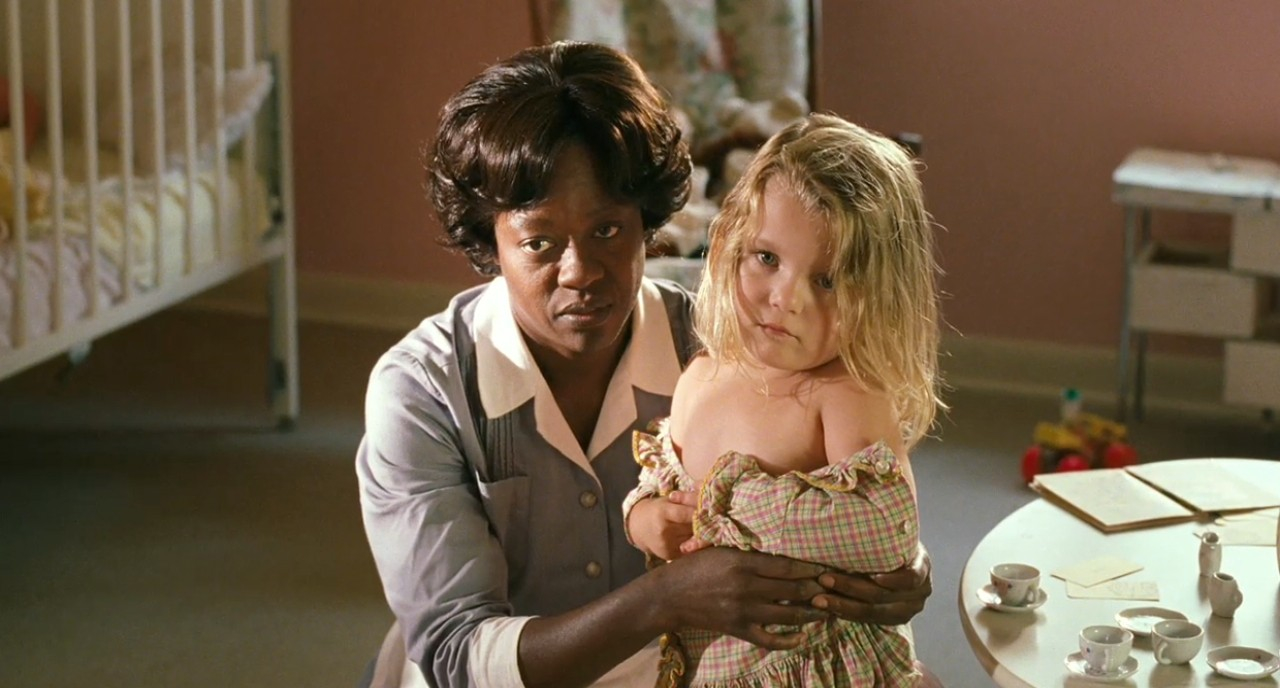
Playing Aibleen Clark, the domestic help who decides to finally speak about her experience raising white babies, Viola Davis has emerged as a favourite for the award, especially after her recent win at the Screen Actor’s Guild. She surely would have moved Academy members to tears with this performance provided they sat through the two and a half hour long drama, the only downside of the film. Just two others stand in the way – Meryl Streep as Margaret Thatcher and Michelle Williams as Marilyn Monroe. But given the grand statement of resilience the film makes on behalf of African-American women, she seems set for a win.

Rooney Mara, The Girl with the Dragon Tattoo

As brilliant as she is in this complex role of Lisbeth Salander that would’ve required intense mental and physical preparation, hardcore nudity and action, Rooney Mara despite her every bit Oscar-win deserving performance may not stand a chance given that the franchise has just begun and the young actress has two more installments of the film to stake her claim for the prize. This is no easy role to pull off but the way Rooney turns into a compelling, unconventional heroine, she ought to be nominated again when the second and third parts of the film do come out.

Meryl Streep, The Iron Lady

She may have been nominated for the 17th time but poor Meryl has only won twice, the last win coming nearly two decades ago. And this is a perfect claim for the prize, only a little too perfect. As Margaret Thatcher, Streep is at her best, sparkling in the scenes where she plays the older Thatcher struggling with dementia, so subdued and vulnerable, as a striking contrast to the confident Iron Lady she plays in the flashbacks after The King’s Speech-style training lessons in oration. The only issue is that every bit of this film seems to be designed to win her an Oscar and sometimes, the Academy does not like it when you try too hard. Ask Tom Hanks, Castaway.

Michelle Williams, My Week With Marilyn

You need to have style, sex appeal, charm, sass and pizzazz to get into Marilyn’s shoes and boy, does she deliver! Michelle Williams IS Marilyn. She lives the role, brings Marilyn alive and makes us fall in love with her all over again. Williams was overlooked for Blue Valentine and this is the perfect chance for the Academy to make amends. Meryl Streep will get nominated a few more times, Viola Davis will get meatier roles but only once in a lifetime do you get a chance to play the biggest movie star in the world. And the way Williams has done it, she deserves to win for this one. The one I will be cheering for.

Page 8 of 90 « Previous 1 … 6 7 8 9 10 … 90 Next »
  • Create a free website or blog at WordPress.com.
Privacy & Cookies: This site uses cookies. By continuing to use this website, you agree to their use.
To find out more, including how to control cookies, see here: Cookie Policy
  • Subscribe Subscribed
    • MADRAS INK.
    • Join 480 other subscribers
    • Already have a WordPress.com account? Log in now.
    • MADRAS INK.
    • Subscribe Subscribed
    • Sign up
    • Log in
    • Report this content
    • View site in Reader
    • Manage subscriptions
    • Collapse this bar
 

Loading Comments...